
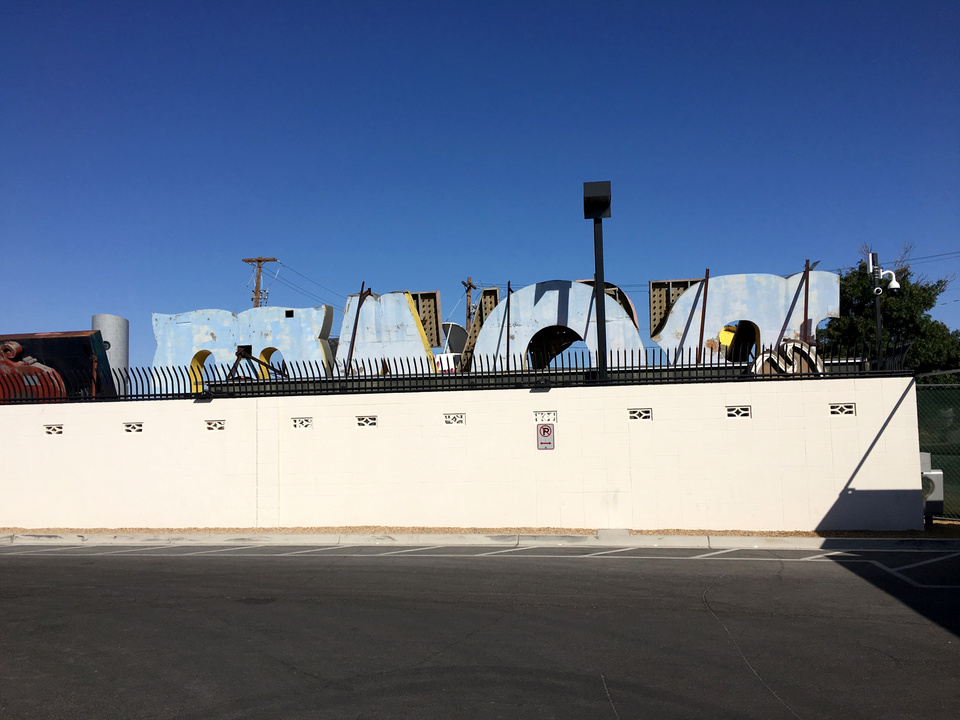
Angelika When it comes to Las Vegas, we understandably get sentimental. Sometimes we really miss the old Las Vegas. After all, back then we used to go there as students to eat cheaply and abundantly at the "All You Can Eat" buffets, to snag an affordable rental car, and then to dash off to the various national parks. Las Vegas has reinvented itself many times since our first encounter there, but for us, the city is enveloped in nostalgia because that's where we met. We never tire of seeking that feeling during our visits.
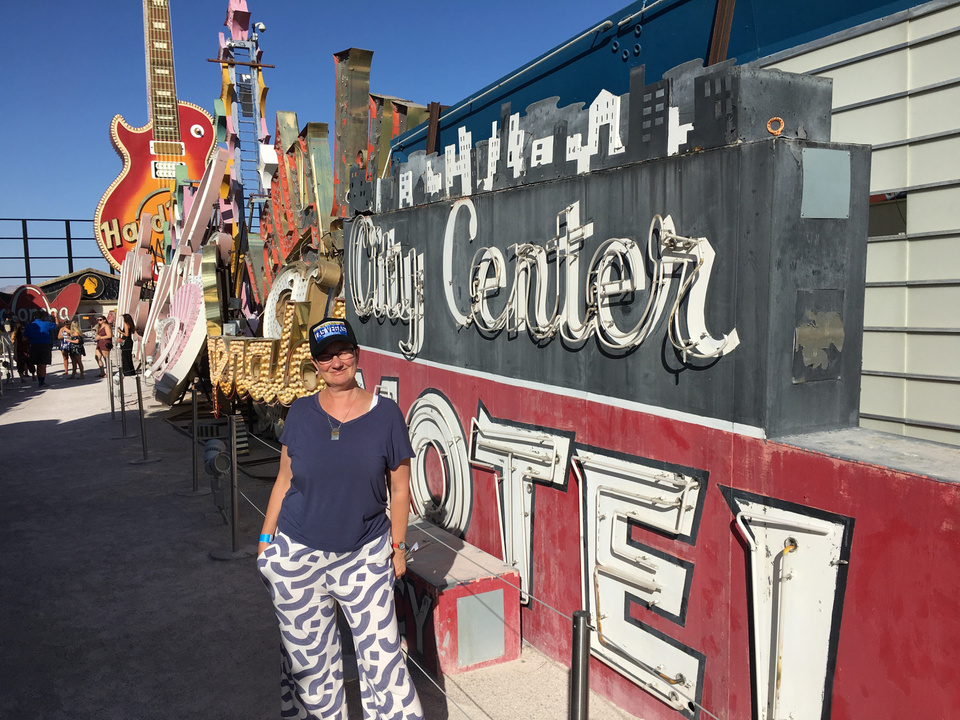
At the "Neon Museum," we got our money's worth this time. Anyone who has ever been to Las Vegas knows that colorful, oversized neon signs follow you at every turn, sparkling and blinking. In Las Vegas, the lights seem to never go out. Many of these neon signs have achieved a certain iconic status, either because they have a particularly beautiful or controversial design, or because they belonged to a casino that no longer exists but once held an important place in the history of Las Vegas.
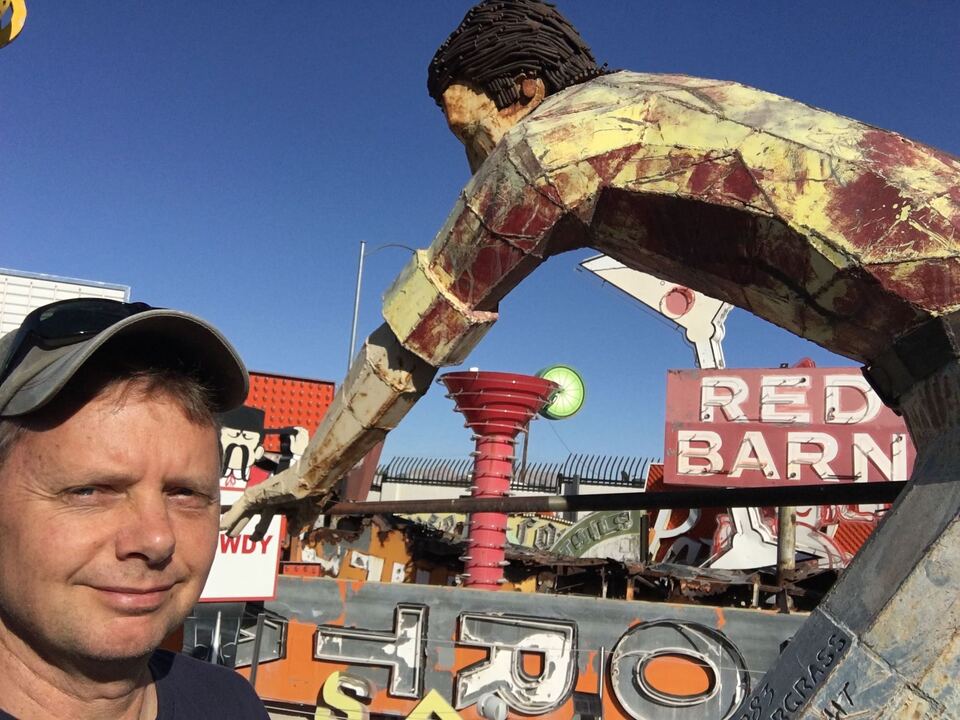
The Neon Museum was founded in 1996 for the purpose of preserving these old signs and making them accessible to the public. The open-air exhibit displays them outside in the so-called "Boneyard," and visitors walk through the laid-out paths and can admire the neon signs set up at ground level. The sun beats down mercilessly from the sky, as Las Vegas is known to be in the desert, and there is no shade in the open-air settings. We arrived at the museum in the late afternoon because the sun then made the neon signs appear in a particularly beautiful light.
The idea for the museum came about when the famous casino and hotel "The Sands" closed in 1996, and no one knew what to do with the historic and oversized "Sands" sign. Unfortunately, it ended up in the trash. The friendly museum staff explained to us that the size of the signs often poses a problem, as dismantling and transportation are costly.
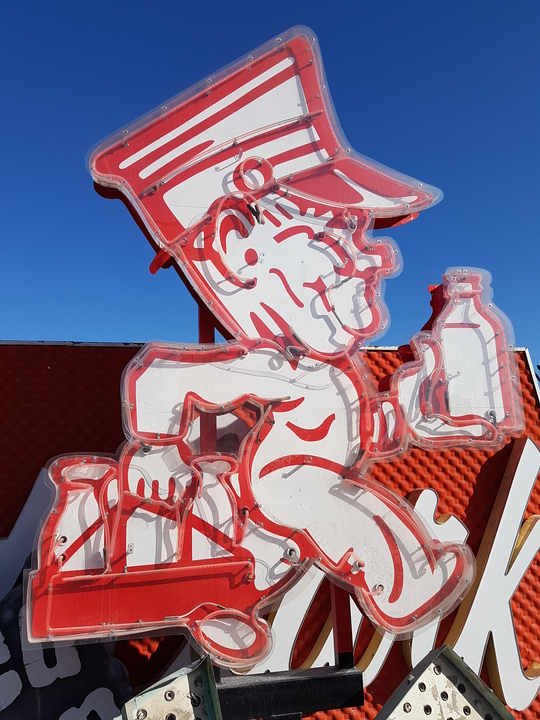
The "Young Electric Sign Company" (YESCO), based in Salt Lake City, Utah, was the original manufacturer of many of these signs and is still considered a leader in the industry today. The Neon Museum now houses many well-known signs, such as those from the casinos "Stardust," "Aladdin," "Riviera," and "Sahara." However, I particularly liked the lesser-known ones, such as a little milkman figure delivering milk. The museum charges $30 per person for admission. You are only allowed to take photos with your phone or tablet. Despite the high admission price, we highly recommend a visit to the museum.