
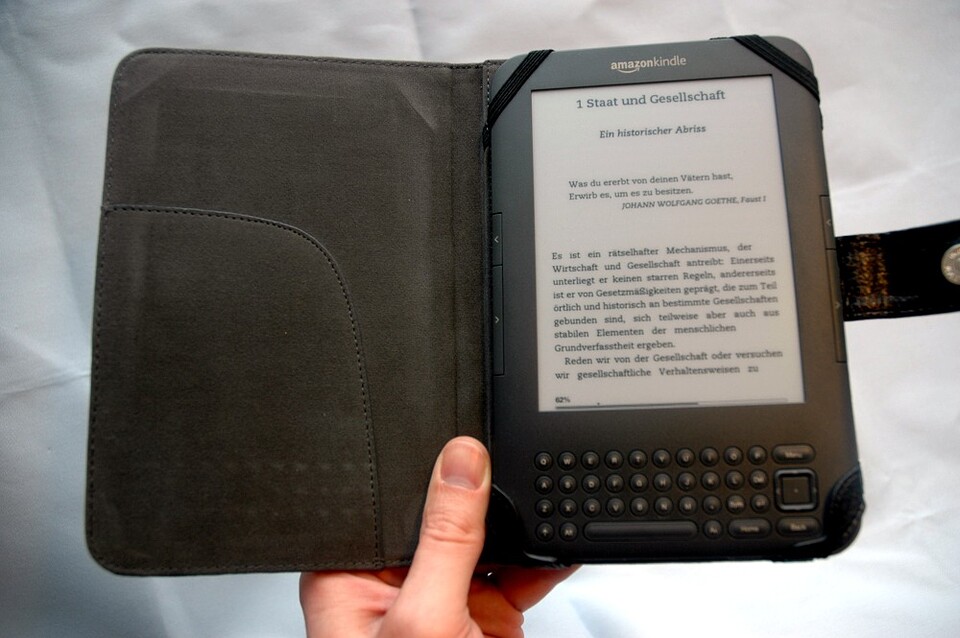
Michael As an avid newsletter reader, you've already read in Rundbrief 03/2011 about the revolution of the electronic Amazon book readers of the "Kindle" brand. In Germany, too, they seem to be catching on quickly; the German Amazon site offers a decent selection of contemporary titles.
In my opinion, this development heralds a rapid end to all printed materials and bookstores. Soon, schoolchildren will incredulously point at people with traditional books, as if they were egocentrics listening to records with a needle. All publishers that do not promptly adapt will sooner or later have to declare bankruptcy. As always, you hear it first in the newsletter, from your reporters from the future. Those who are smart will listen, act accordingly, and swiftly convert their publications to the new electronic format.
The advantages are obvious: Not only do you no longer have to lug around a kilo of books on vacation. If I need a page from a 1000-page Unix tome, I have it with me always and everywhere. New reading material can be found directly on the reading device, and you can purchase it right there without any hassle, without even having to get up from the deck chair on the beach or the toilet seat. The transfer is wireless and free via the mobile network within a few minutes. Magazines are no longer subscribed to by mail; Amazon automatically delivers them to the reading device as soon as they are published.
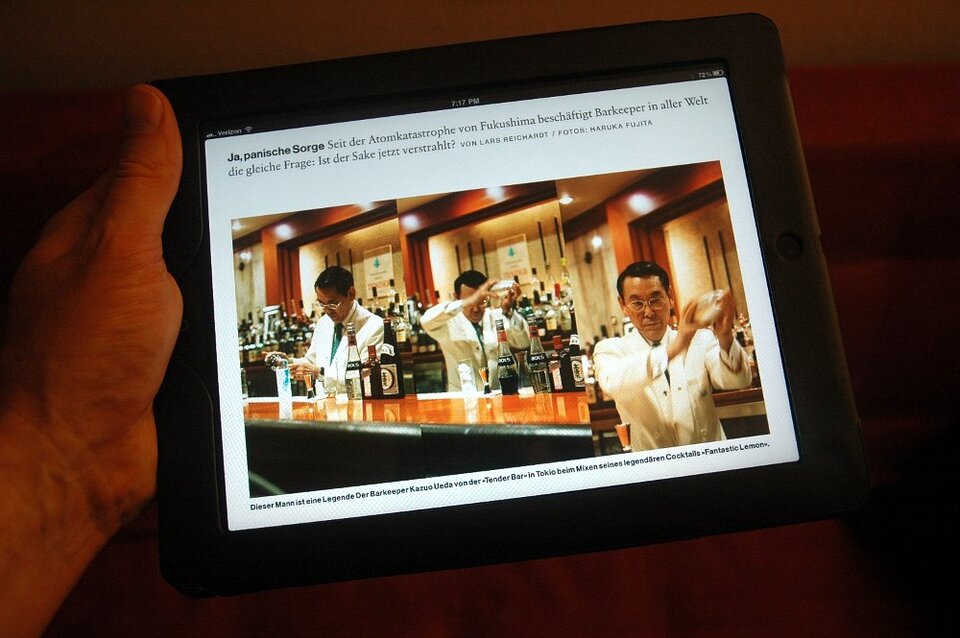
For some time now, I have been reading the SZ-Magazin on the iPad. On Thursday morning (thanks to the time difference), the new issue is available, and for $0.99, the elaborately produced print work is wirelessly transferred to the reading device within a few minutes. In color, in high resolution. The software still has some issues occasionally, but I'm sure the second-tier programmers at Süddeutsche will get that under control as well.
In Germany, people are still finding it difficult to take this development seriously. I sometimes hear excuses like "Germany is not America" and "the good book will never disappear," but recently, fundamental conditions have changed that will dramatically accelerate the once hesitant development. Many Germans compare the eBook to the onset of the internet age, where, as is well known, practically no one managed to sell a publication online at a profit without plastering it with advertisements.
However, the hesitant ones overlook a very important difference compared to back then: While a free culture prevails on the internet and it is considered uncool to spend money on well-processed and presented content, most products on the Kindle or iPad do cost money, albeit not much, but real money. It is normal to pay small amounts for music or apps. Even the hacker magazine "2600," which I admire, came out with a Kindle edition some time ago and recently reported that in less than a year, it has gained 10,000 new subscribers who pay $0.99 a month for a quarterly Kindle edition!
The SZ-Magazin recently reported that Kindle books are now also being pirated, but I don't believe this will become widespread. However, this is only the case if publishers are smart enough to set fair prices: Who would go through the trouble of downloading a pirated copy if the official book costs only a few euros?
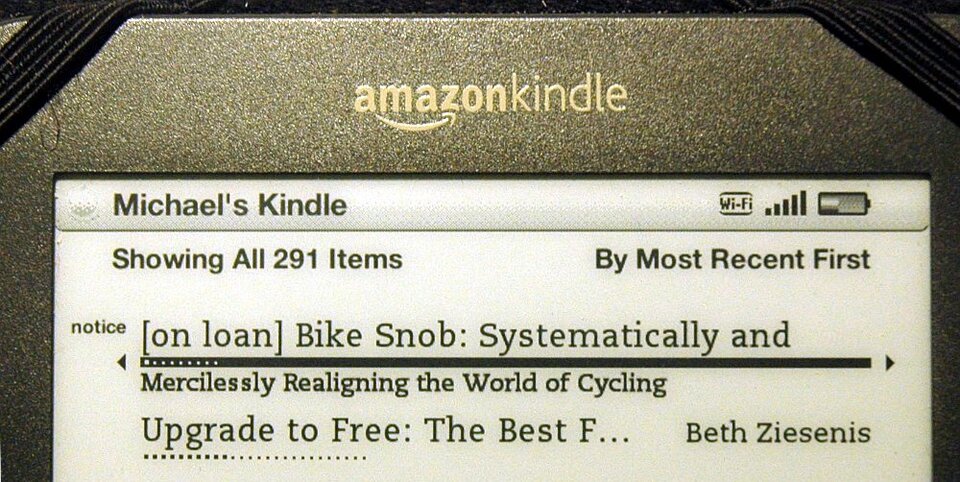
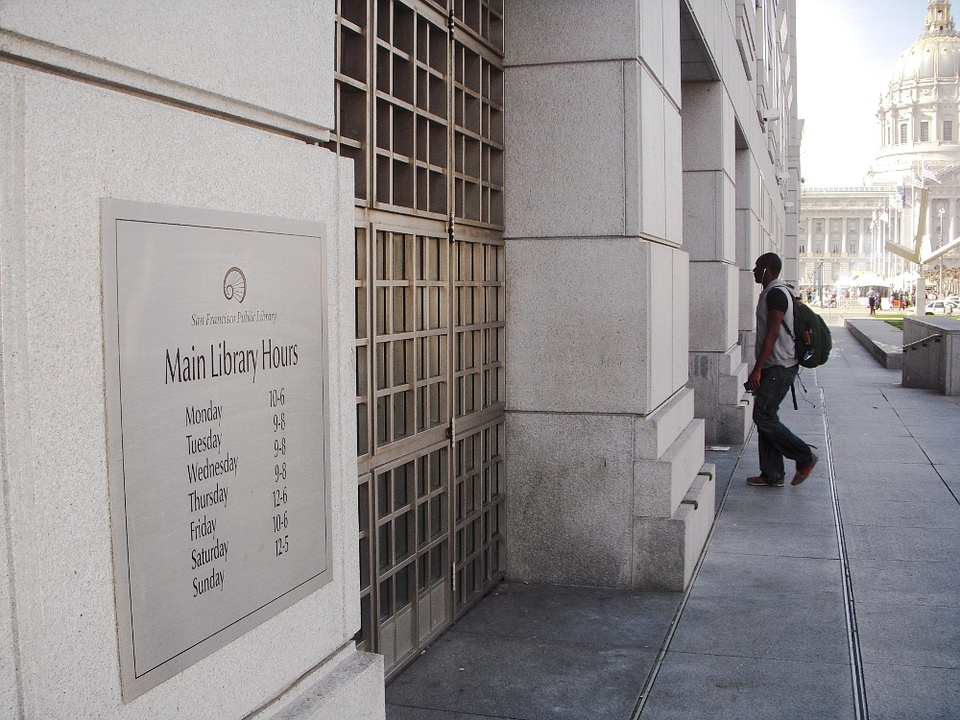
The Kindle amusingly also models established habits of traditional book readers: For example, you can lend a purchased book to a friend who owns a Kindle for two weeks. During this period, the copy remains locked on the lender's Kindle (Figure 3). Libraries can also purchase a number of copies of a digital book and lend them to their users. The Main branch of the San Francisco Public Library at the Civic Center now also lendsKindle books. However, enthusiastic library users seem to have already cleared out the digital shelves, the quota seems to be exhausted, and people have signed up for waiting lists. It's actually a bizarre situation: The edition of a digital book, of which one could make an infinite number of copies for free, is artificially limited to mimic the constraints of printed publications.
Conveniently, the Kindle remembers how far you've flipped through each book, so you never read a page twice, even if you're juggling 20 books at once. And even better: The Kindle apps on different devices do automatically sync, so if I'm reading a Kindle book at home on the iPad and later turn on a Kindle device on the bus, the Kindle asks if it should fast forward to where I left off on the iPad. The ability to highlight sentences and write notes in the margins, with this data also being available on other reading devices later, completes the package.
Greetings from the Obama-tired country:
Angelika & Michael