

Michael The mega-retailer Amazon is headquartered near Seattle in the state of Washington, one of the few remaining sales tax havens in America. And since the catalog retailer Quill, which is based in the state of Delaware, took the case Quill 1992 vs. North Dakota to the Supreme Court and won, it is established that companies without a branch in the state cannot be forced to collect the local sales tax.
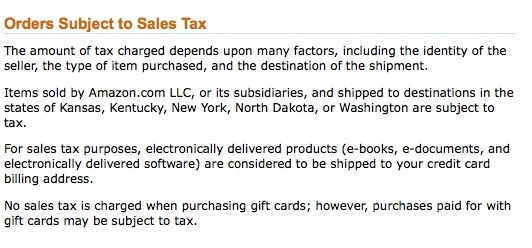
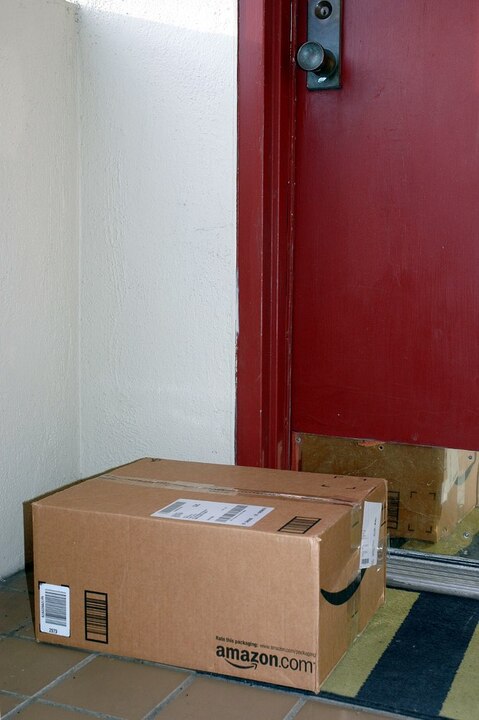
This loophole is used by Amazon to avoid collecting sales tax from active shoppers in California. For decades, it has therefore carefully avoided establishing a physical presence in California. Most deliveries come by truck from a warehouse near the city of Reno on the Nevada side of the California border. And if you google "amazon digital music san francisco," you will see, for example, job offers at "A2Z Development Center, Inc." in the heart of San Francisco, where software engineers are putting together Amazon's iTunes clone. Amazon has deliberately given the department a nondescript name so that it is not considered an Amazon branch in California.
Californians are legally required to pay the saved amounts during the annual tax reconciliation in April, but many "forget" to do so. Due to the recession, however, the states are missing millions in their coffers, and for several years they have been trying to force Amazon to collect the tax. Amazon is resisting tooth and nail and can offer its goods in California almost 10% cheaper than local stores like Best Buy or Walmart. This, of course, infuriates the latter. If Amazon were to run radio ads like Media Markt in Germany, the slogan would be: "Sales tax? I'm not stupid!"
The above-mentioned Supreme Court ruling was rendered in 1998 during President Clinton's administration through the so-called Federal Internet Tax Freedom Act (F-ITFA)". It prohibits states from imposing additional tax on internet purchases. However, states are allowed to pass laws requiring online stores to to comply with already established sales tax regulations for regular stores. The state of New York enforced this in June 2008, and since then, New Yorkers have been paying sales tax on Amazon online orders.
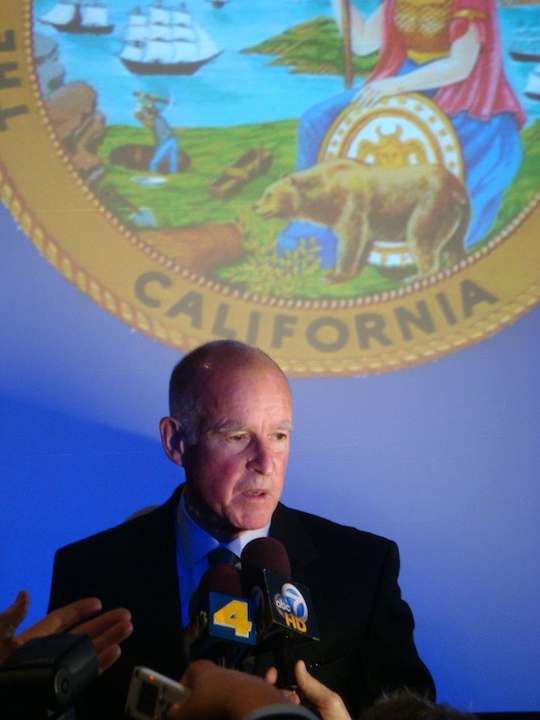
The new tax-hungry California Governor Jerry Brown immediately took on Amazon after his election last year. His administration targeted the practice of so-called "Associates," where intermediaries earn a commission on Amazon sales if the purchase is made through a link on their website. For example, if I link to any Perl book on Amazon from my website perlmeister.com and include an Associates ID obtained from Amazon, I could earn up to 3% of the purchase price if someone follows my link and buys the book.
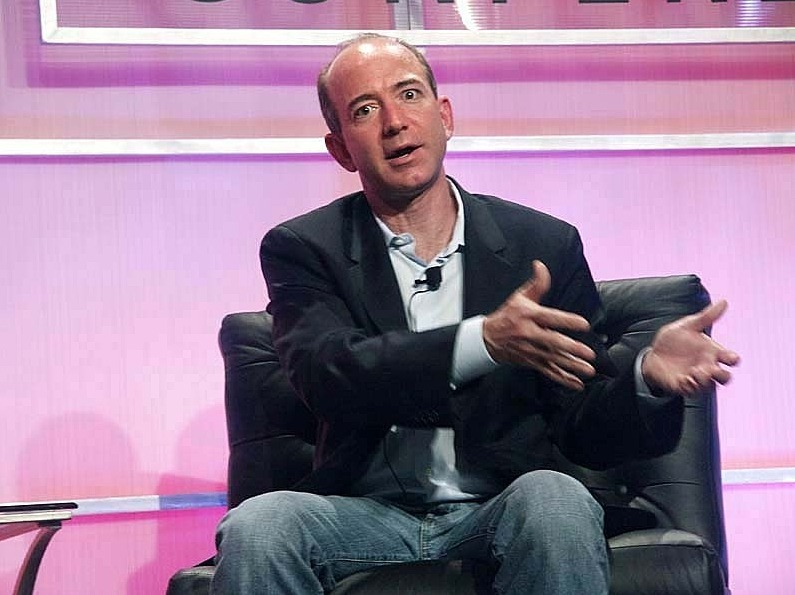
If these "Associates" are Californians, Jerry Brown found that Amazon now suddenly has a presence in the state and must collect sales tax. Amazon immediately responded in June 2011 by canceling the Associates program in California. The email signed by Jeff Bezos even mentioned violations by the state of California against the federal constitution! However, after a few weeks of dispute, it was agreed that Amazon would collect the tax. From September 2012 on Amazon will collect California sales tax. In early October 2011, Amazon sent a delighted email to all terminated Associates, assuring them that the program would now be continued. By September 2012, Amazon plans to try to influence Congress (lobbying, see Rundbrief 06/2011) so that a federal law puts an end to the eternal back and forth. By the way, 2012 is the next election year.