Michael It is known in Germany that microwaves in America are sold with a warning that they are not suitable for drying pets. And we have often mentioned that American schoolchildren usually don't ride bicycles or walk to school, and only the less fortunate use public transportation. Recently, a case from the state of Tennessee even made headlines, in which a patrol officer stopped a 10-year-old girl on her bicycle on the way to school. and promptly drove her back to her parents and explained to the astonished mother that children should only ride bikes under supervision. Crazy.
Therefore, I had to laugh quite a bit when I recently saw an advertisement for a helmet for playing soccer in a sports catalog. The Full 90" helmet surrounds the head with an open top, to, I assume, prevent concussions when players collide heads.
Almost every cyclist in San Francisco wears a helmet (myself included, of course), so I wouldn't be surprised if the soccer helmet catches on. In our soccer group that plays every Tuesday in the Mission District, I offered a $10 reward to the first person who wears the helmet and endures my mockery for 90 minutes. Unfortunately, no one took up the challenge.
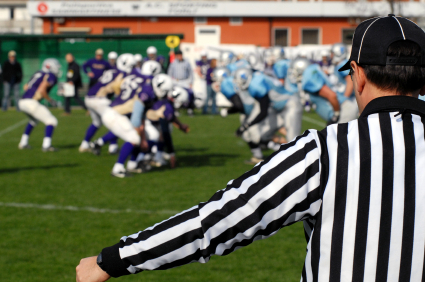
Even in the rough sport of American football, where fearsome, steak-fed muscle men clash over an egg-shaped ball while wearing ridiculously thick shoulder pads, a safety craze has set in. After doctors determined that constant blows to the helmeted head are not exactly beneficial for the brain, certain maneuvers were banned. Recently, the mighty linebacker Ndamukong Suh of the Detroit Lions, a sort of human battering ram, knocked down the slender quarterback of the "Bengals," Andy Dalton, after the football was already gone. To the indignation of the sports world, the referee called this "unnecessary roughness." This would have been unthinkable 30 years ago. Back then even the so-called clothesline maneuver was allowed, where a player runs past another with an arm extended sideways, bringing him down as if he had run into a taut clothesline. Those were the days!
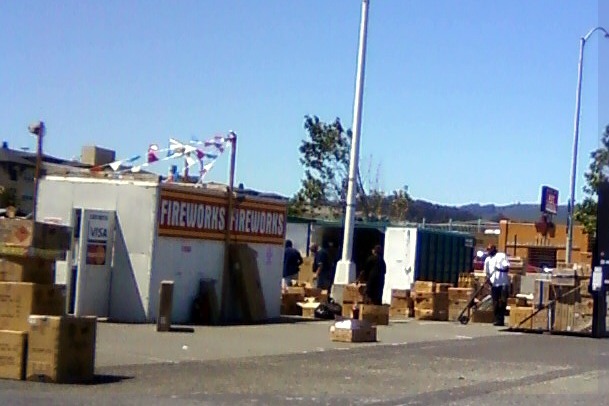
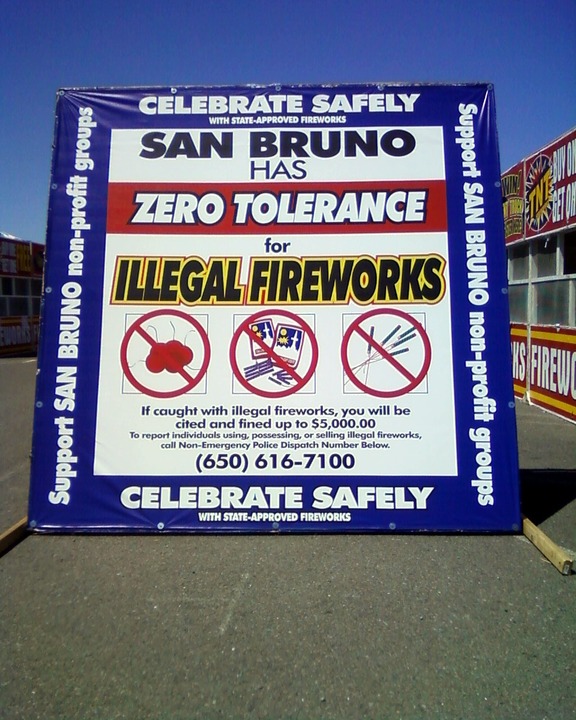
Even with fireworks meant for New Year's Eve or the 4th of July, city administrations are imposing strict safety regulations. Law-abiding citizens are allowed to purchase small rockets and table fireworks from officially approved stands. On the black market, shady characters offer real firecrackers, mostly of Mexican production, but as you can see in illustration 4, being caught with them can result in fines of up to $5,000.