
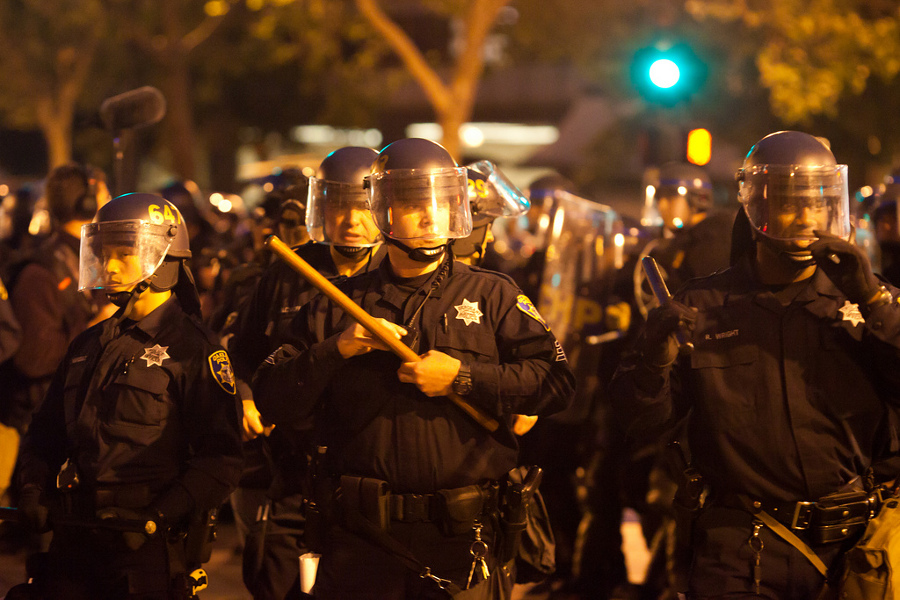
Angelika While the whole world was watching the Soccer World Cup in South Africa or anxiously following the predictions of Paul the Octopus, many in the Bay Area were eagerly awaiting a spectacle of a completely different kind: the verdict in the trial against the transit police officer Johannes Mehserle.
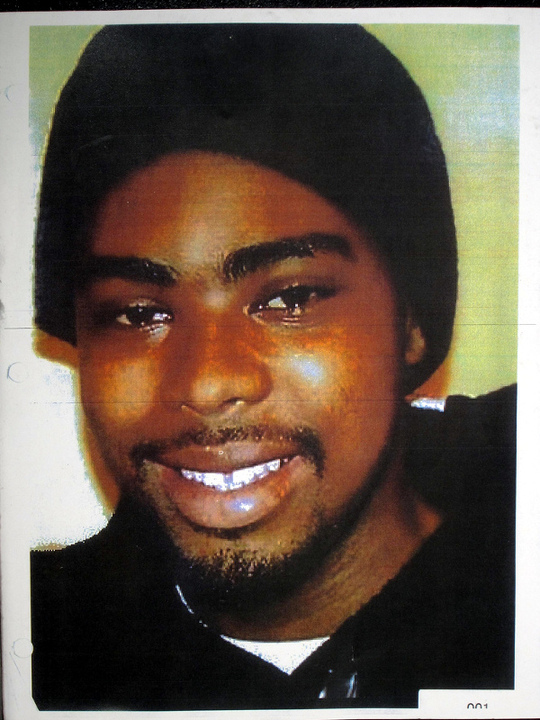
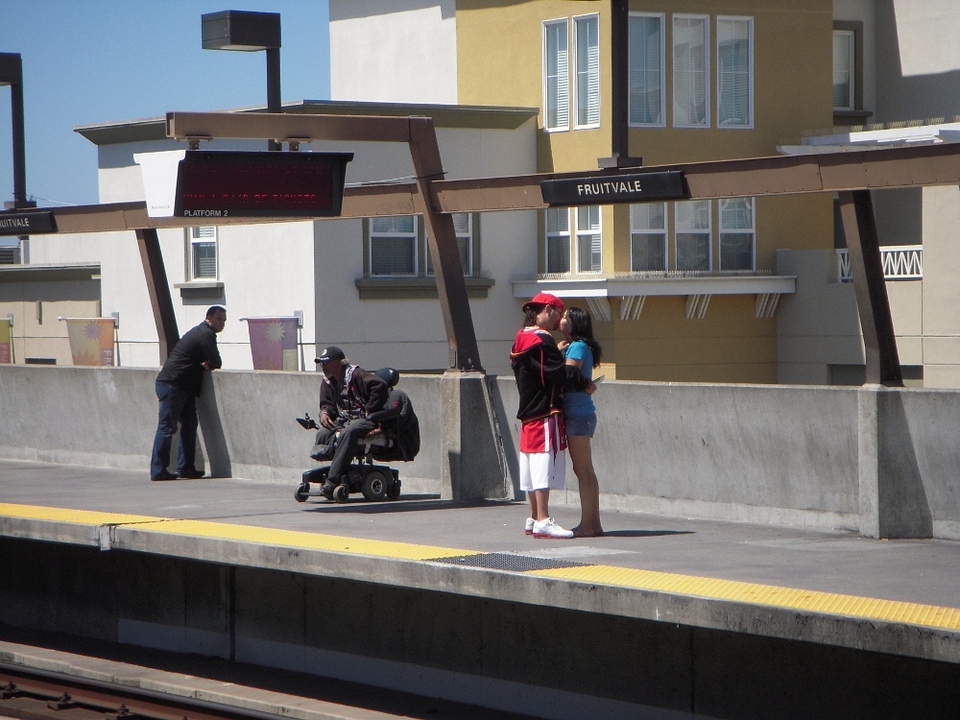
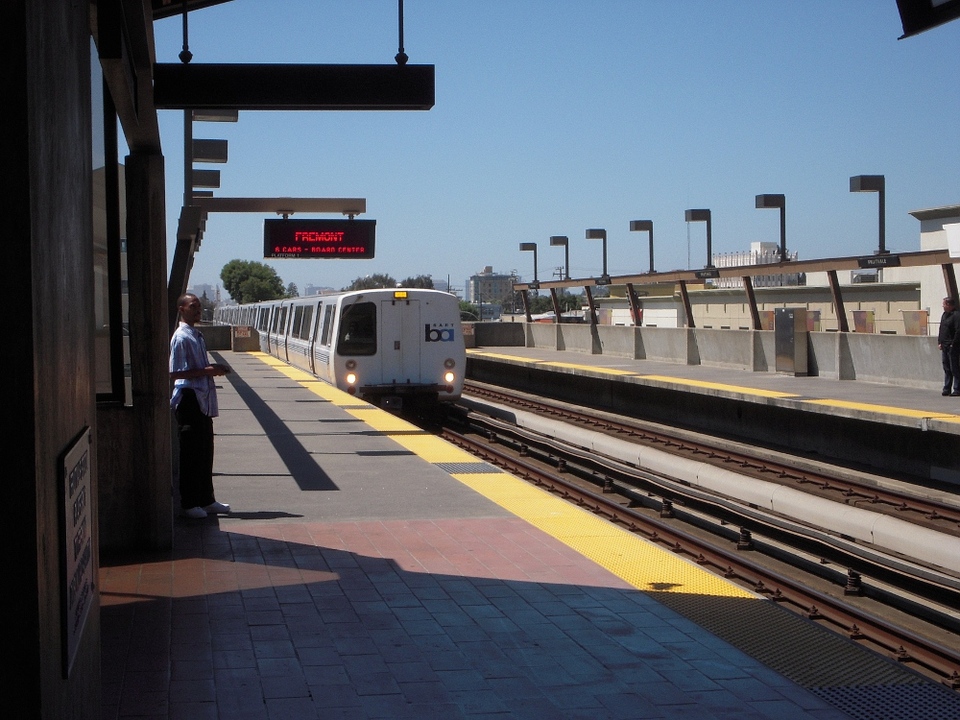
A rather sad story that stirred emotions. On New Year's Eve 2009, Mehserle shot and killed 22-year-old Oscar Grant. Grant had gotten into an altercation on a BART (Bay Area Rapid Transit) train and was subsequently ordered off the train by BART police along with some of his friends. On the platform of the Fruitvale subway station (Oakland), Grant was then arrested. He was already lying on his stomach on the ground when Mehserle drew his service pistol and shot the unarmed Grant. Bystanders had recorded the incident with their cell phone cameras, and within minutes, the videos were circulating on the internet. After the shooting, Mehserle claimed that Grant had resisted arrest. Mehserle stated that he only intended to draw his taser but accidentally reached for his firearm.
By the way, Grant was a young Black man, and Mehserle, as you might have guessed, is white. Before I receive indignant messages again about what role skin color plays in this, I can only emphasize that it is the decisive factor in this story. Grant died a few hours later in a hospital, and the first violent protests took place on the streets of Oakland.
Many protested against police brutality, which often targets minorities, particularly black people. Incidentally, Mehserle was employed as a police officer with BART (the subway) and not with the city of Oakland. Many, especially black citizens, have a very strained relationship with the police in Oakland. In some neighborhoods of Oakland, gangs rule, and the murder rate is high. Oakland ranks in the upper third of the most dangerous cities in the USA in statistics, although the acts of violence are usually concentrated in specific neighborhoods.
Mehserle was charged with murder. The charge was "second degree murder," which is murder in the heat of the moment, punishable by 15 years to life imprisonment. This is surprising because police officers who shoot someone in the line of duty are rarely brought to trial in the USA.
The trial was then cautiously moved to Los Angeles, as it was feared that a neutral jury could not be found in Oakland. During the selection of the jurors, there were immediate protests because the prosecutors and lawyers did not allow any black individuals to be part of the jury selection. I find this jury selection process quite illogical, as the jury is supposed to be composed of "peers," meaning fellow citizens. However, for example, in a death penalty case, opponents of the death penalty are often not allowed on the jury, as the jury is supposed to focus solely on objective verdicts based on verifiable facts and not on the sentencing.
The judge allowed two additional charges during the trial alongside the murder charge: voluntary manslaughter, with a penalty ranging from 3 to 11 years, and involuntary manslaughter, which carries a sentence of 2 to 4 years in prison. In California, the jury only decides whether the defendant is guilty of the individual offenses or not. The judge then later determines the sentence.
The city of Oakland was definitely bracing itself for the worst, as there were fears of riots like in the case of Rodney King. You may remember: The black Rodney King was brutally beaten by four white police officers during a traffic stop for speeding in Los Angeles in 1992. Despite a bystander filming everything with a video camera, the jury, which also did not include any black members, acquitted the officers. This led to severe street riots in Los Angeles, during which 53 people died.
Now we live in San Francisco and not in Oakland, which is half an hour away by car, but I spend a lot of time in Oakland because my employer has office and therapy rooms there, where I lead a group therapy session for autistic children twice a week. Our management absolutely did not want us to be in Oakland when the jury announced their "guilty" or "not guilty" verdict. The problem is that no one knows exactly when the jury will finish their deliberations. And so it happened: Our group was just making an aquarium when our management pulled me aside and informed me that the jury would announce their verdict in 45 minutes and we had to pack up immediately. The children didn't find it funny at all, but we still cleaned up at lightning speed and fled from Oakland. Since several employers had decided to send their people home early, there was corresponding chaos on the streets and public transportation.
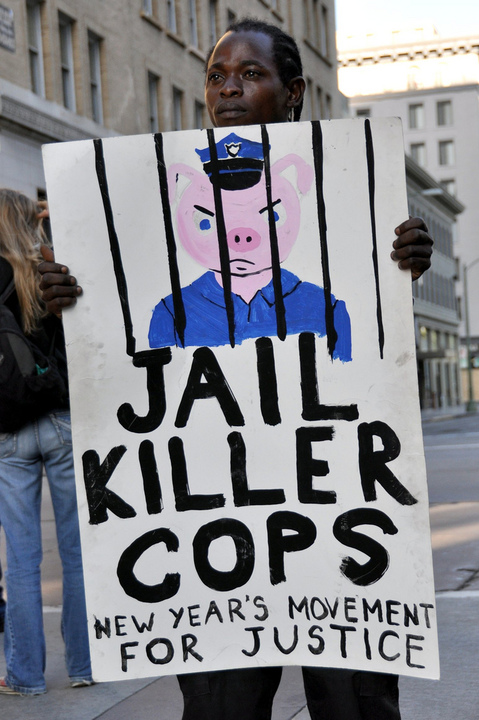
The jury found Mehserle guilty of involuntary manslaughter on July 8. The jurors added that the act of violence was committed with a weapon, which could mean an additional 10 years in prison. Admittedly, this seems somewhat illogical, as police officers generally carry weapons.
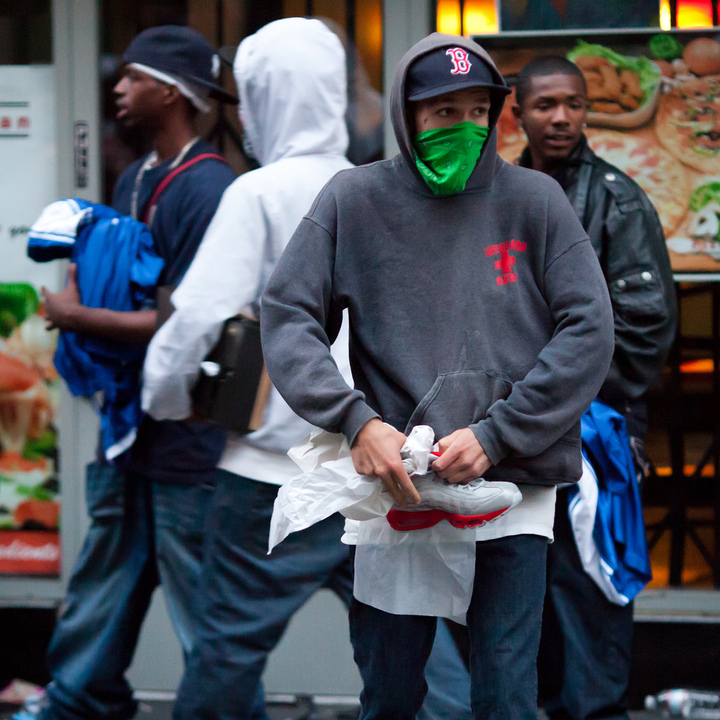
After the jury had spoken, there were indeed protests, which initially proceeded very peacefully. However, after nightfall, a few idiots decided that the verdict was a welcome opportunity to smash windows in Oakland and loot businesses. There were 78 arrests. Most of those arrested did not even live in Oakland but had traveled there specifically. The trial will continue in November. When the judge then sets the sentence for Mehserle, further riots are expected.
Even Arnie, our governor, urged calm and prudence. It should also be noted that on July 13, the city of Oakland laid off 80 police officers to plug a budget gap. As a result, the police in Oakland now only respond to violent crimes such as shootings, rapes, and robberies. For other offenses, such as theft, vandalism, and car theft, the police no longer come; instead, the victim must file a report online or go to the nearest police station themselves.