
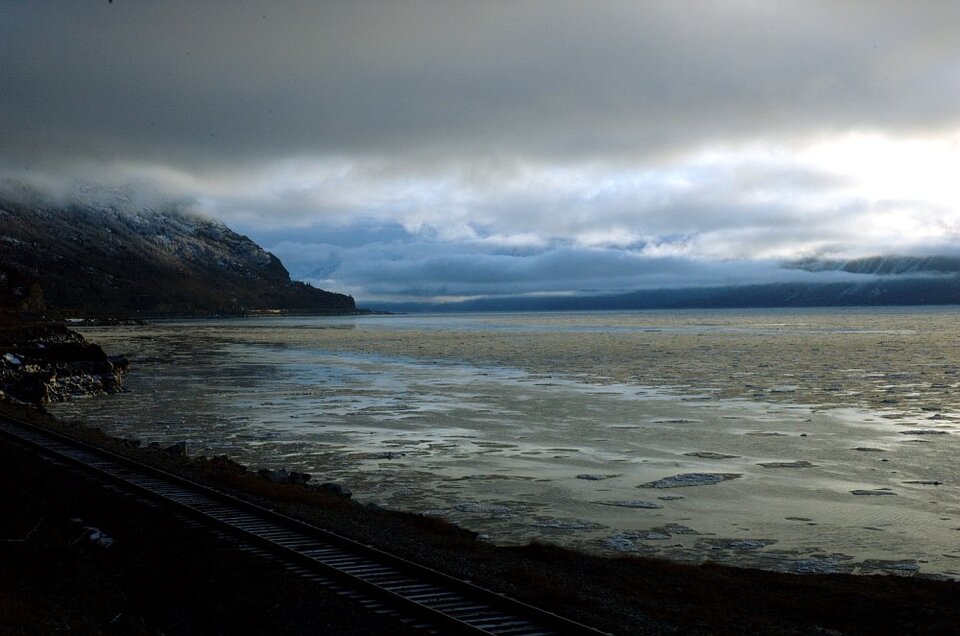
Angelika Alaska is located near the Arctic Circle, which significantly affects the daylight depending on the season: In the summer, it stays light for an extremely long time, while in the winter, it remains dark for a long period. In some places in Alaska (such as Barrow), the sun doesn't set at all for several weeks in the summer, and conversely, it won't rise at all in the winter. It's not quite as extreme in Fairbanks, as the location is about 200 miles (approximately 320 kilometers) south of the Arctic Circle. On average, we had about six hours of daylight, as the sun rises around 11 a.m. and sets again at 3 p.m. at the end of December, but there is also a longer twilight. Around 10 a.m., the first light appears on the horizon, but at 9 a.m., it is still pitch dark. During the day, the light seems somewhat strange because the sun never really rises high up in the sky.
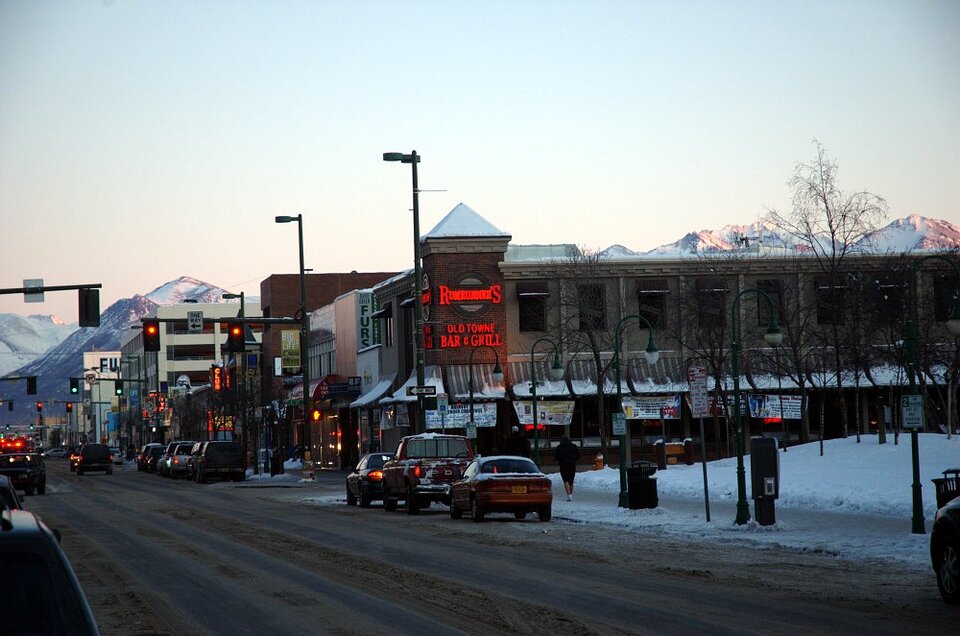
Amazingly, we adapted very quickly to the local conditions, so we were able to do and see a lot, despite the shorter days. The owner of our bed-and-breakfast accommodation told us that during the summer months, many locals completely exhaust themselves because they go outside to exercise or work in the garden even at midnight, or simply don't want to go to sleep because they want to fully enjoy the long days.
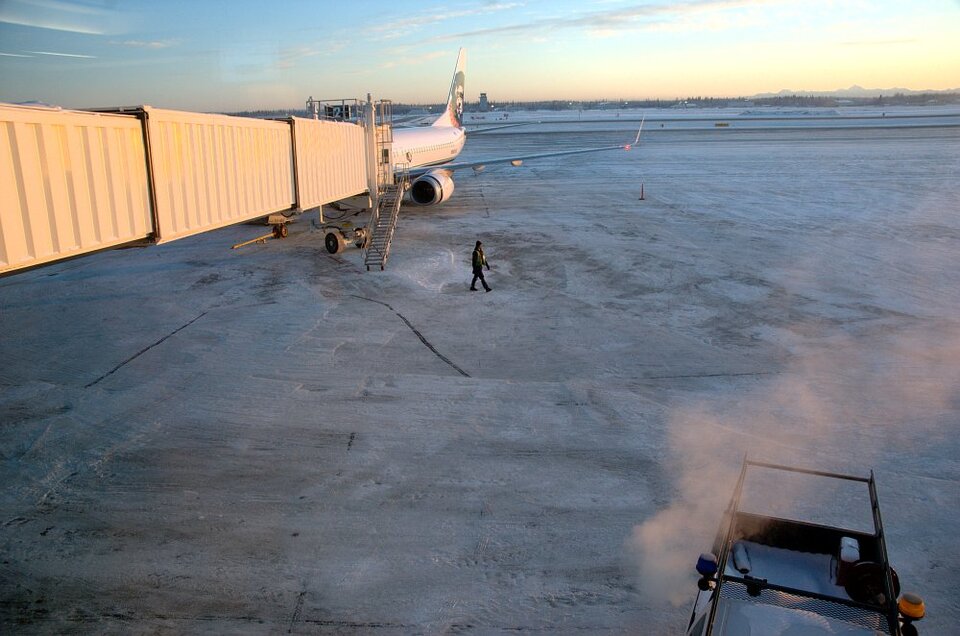
Most people we've met admitted that the cold in winter is not the problem, but rather the darkness. The latter affects the mood after a few months, and Alaskans have to compensate for the lack of vitamin D with vitamin tablets. We heard some people in Fairbanks whispering that they had already gained two more minutes of daylight today. The cold is indeed more bearable in Fairbanks than elsewhere because it has a dry climate without wind. The snow also looks particularly pretty because it is completely powdery like desert sand and stays white for a long time. However, snowmen or snowballs cannot be made from it.