
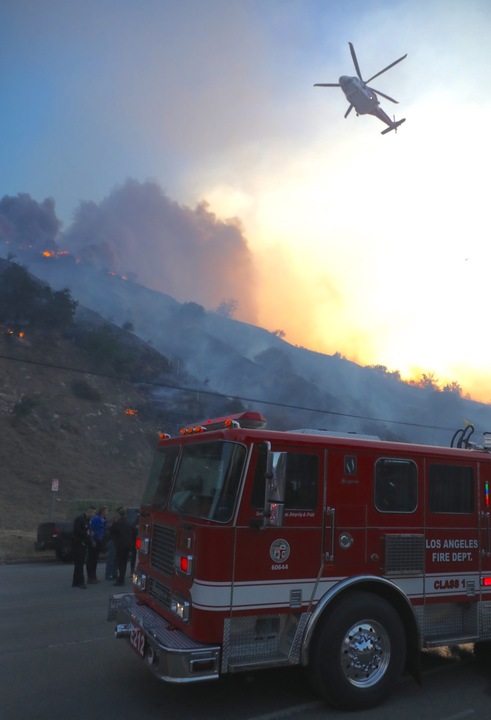
Angelika In California, we're currently wondering a bit if the end is near, as devastating wildfires are raging once again. This time, it has hit Southern California, in the areas of Los Angeles, Santa Barbara, and San Diego. The Santa Ana winds keep fanning the flames, and firefighters are working around the clock. When we were in Los Angeles over Thanksgiving, we couldn't believe how warm it was there at the end of November. People were sunbathing in bikinis on the beach. We felt like we were on Hawaii. The fantastic weather was nice for us, but almost a bit eerie, because although it's usually warmer in Los Angeles than in San Francisco, we had never experienced such temperatures there in the winter months.
The consequences followed swiftly, as just a week later, it was ablaze. Jerry Brown, our governor, remarked that California would have to prepare for seasonal fires extending well into December, due to climate change. Normally, there are no wildfires in December.
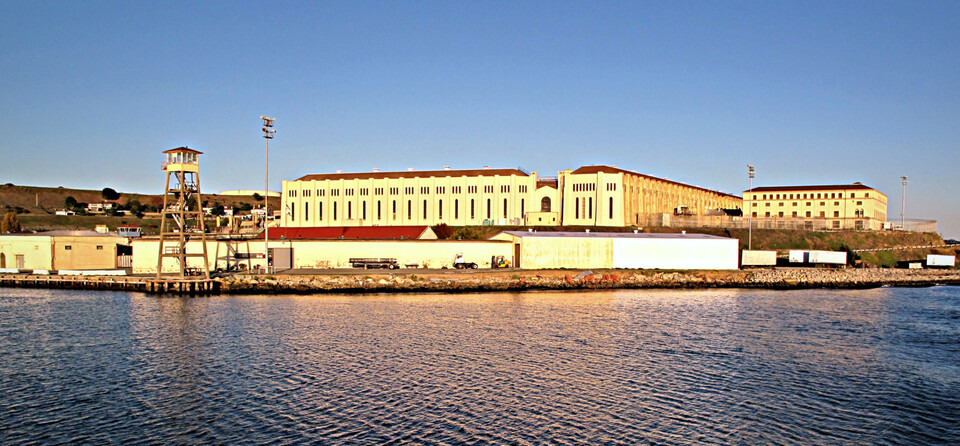
In case of fires of this magnitude, not only do firefighters from the immediate area respond, but forces from all over California are mobilized, with some even coming from neighboring states. However, it's not just professional firefighters who battle the flames; even prison inmates join the effort. In California, there has been a program since 1940 that involves inmates in firefighting: Conservation Camps. Prison inmates volunteer for it, receive a short training, and are then immediately put to work.
However, they only receive the assignment if they behave well in prison, are physically fit, are not serving long-term sentences, and are not incarcerated for arson or sexual offenses. They earn $1 per hour for their work and receive a two-day reduction from their sentences for each day of service. The low pay saves taxpayers about $100 million per year. More than 3,700 inmates have signed up for the program, which is roughly one-third of California's firefighting force. The program is controversial; some critics equate it with slave labor. The number of inmates volunteering for the service has been declining for years. This is because prisons in California are completely overcrowded, and the state of California has since released non-violent inmates early multiple times to reduce overcrowding.