
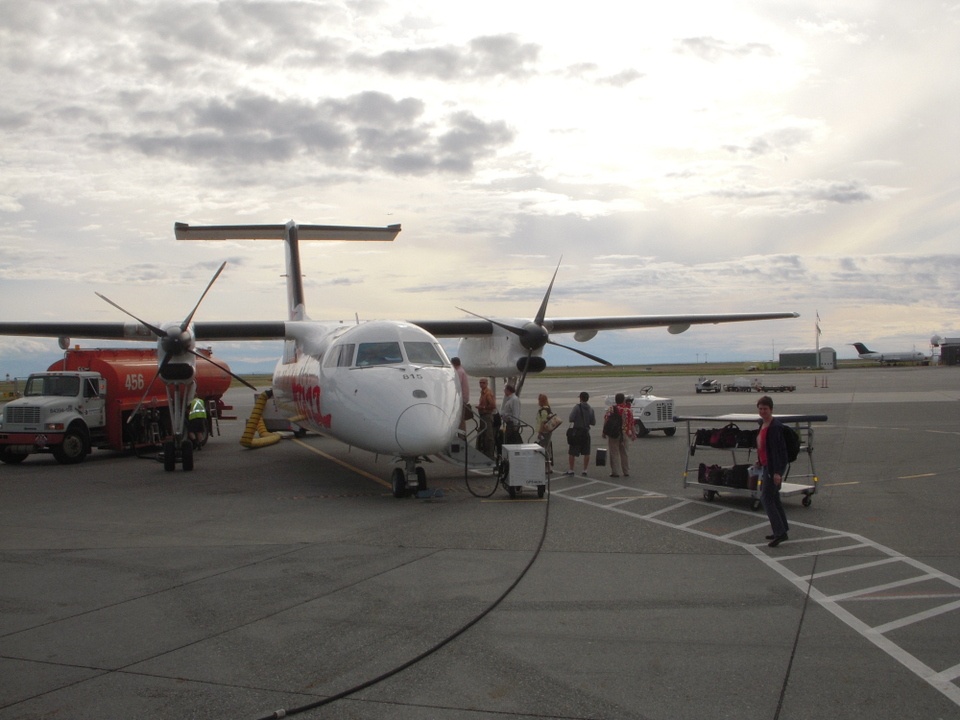
Angelika The northern part of Vancouver Island is considered remote, rugged, and wet, and a paradise for every hiker and nature lover. We landed in the south, in Victoria, the largest city on the island, with a propeller plane from Canadian Vancouver and drove with a rental car to the northern end, to Port Hardy.
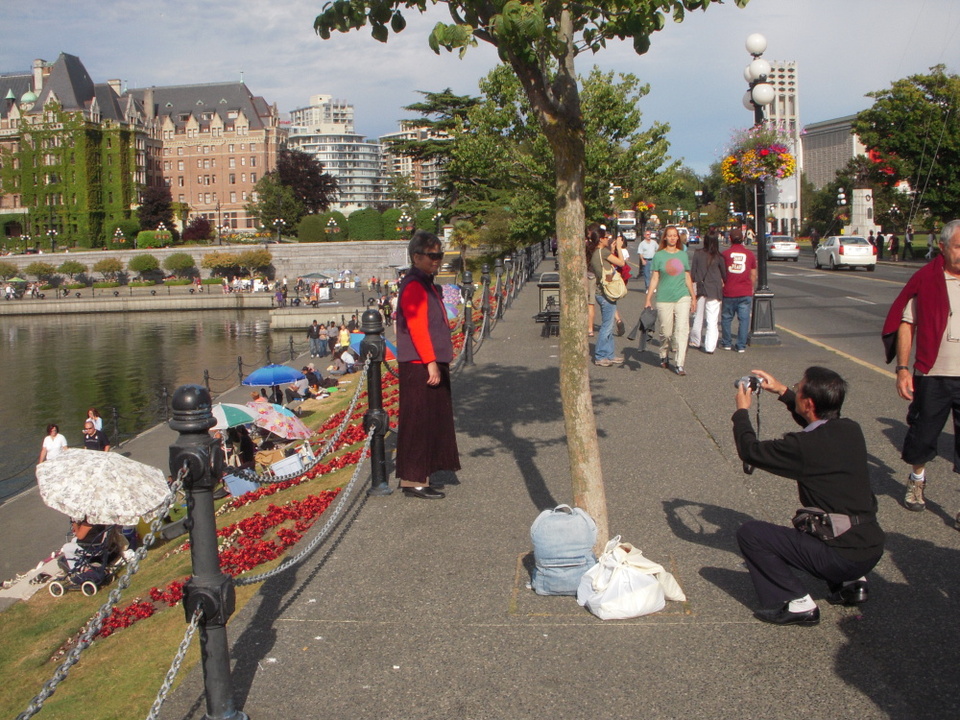

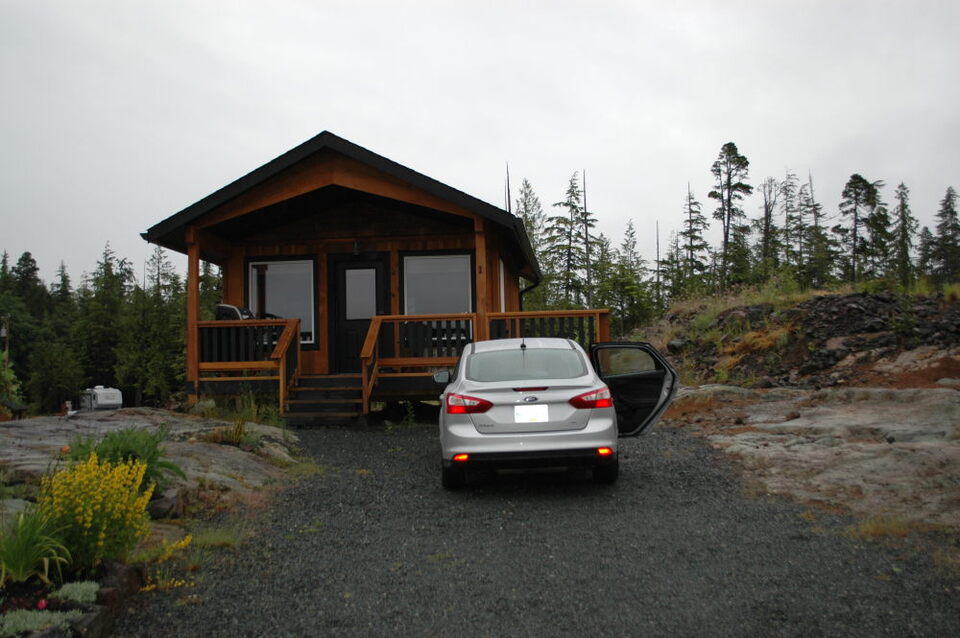
On the long drive north, we were amazed by the increasingly dense forestation, and we saw only a few people. Eventually, we found only one significant country road and many unpaved paths, mostly used by logging trucks. We stayed in a wooden cabin, a little outside the town of Port Hardy.
This is a small, sleepy town with a well-stocked supermarket, some pubs and restaurants, as well as a few unremarkable hotels and motels. The town is increasingly reliant on tourism, probably because the dock for the ferries to Prince Rupert is located right outside the town's gates, but the timber industry and fishing are still important sources of income.
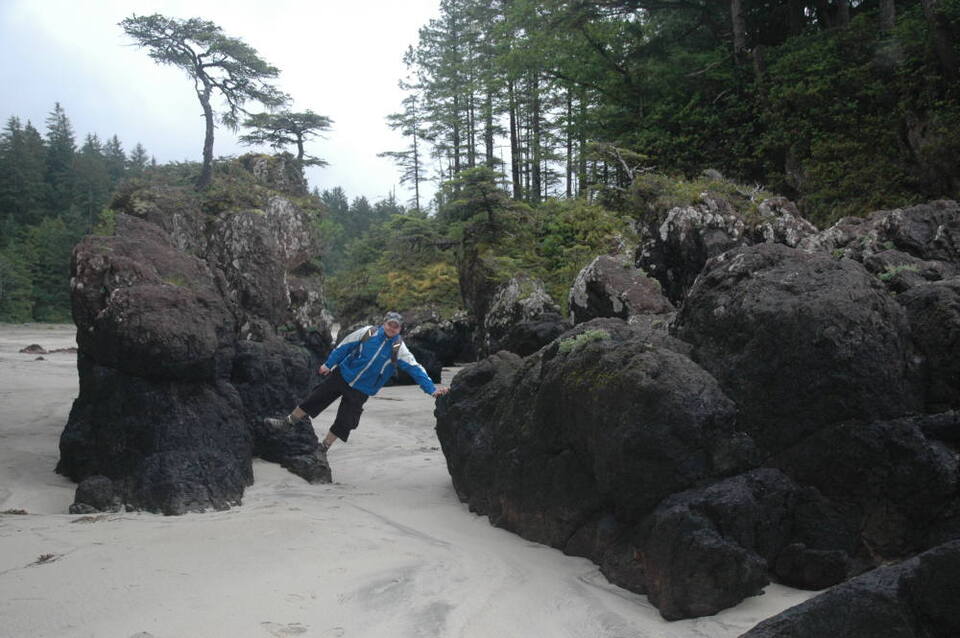
A special treat is the Cape Scott Provincial Park with the beautiful, secluded St. Joseph's Bay. Getting there is an adventure in itself. First, we drove for two hours (one way!!!) on unpaved roads that serve as transport routes for logging trucks. Then we continued on foot through a rainforest until we arrived at a fog-shrouded, deserted beach. I wouldn't have been surprised if dinosaurs had come around the corner.
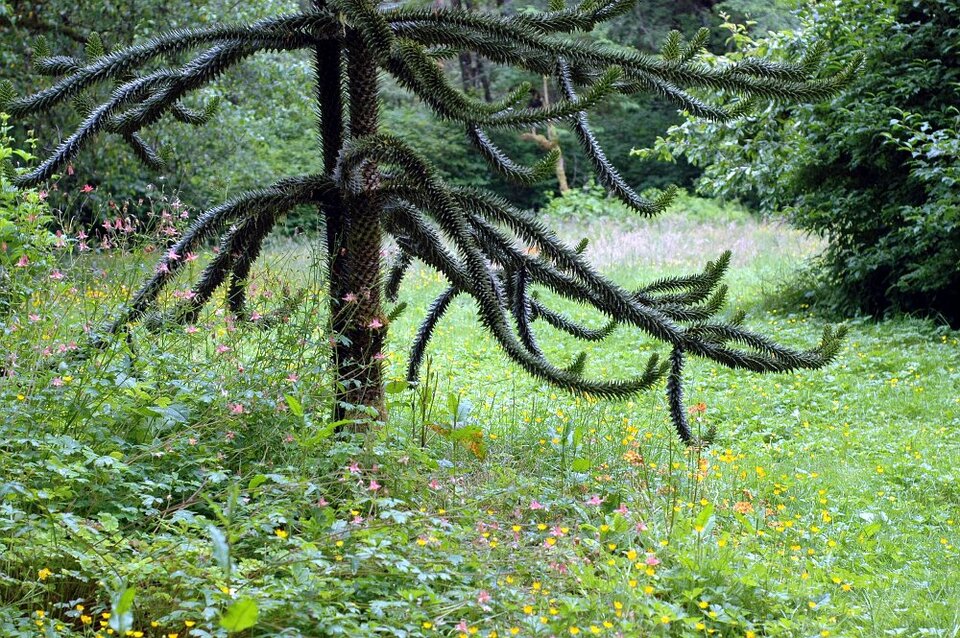
We learned that since time immemorial, people have sought their fortune in these lonely and inaccessible areas, cut off from the world. Bernt Ronning, a Norwegian immigrant, for example, built a cabin in the middle of the rainforest near Cape Scott in 1910, along the never-completed old wagon route to St. Joseph's Bay, and lived there until his death in the early 1960s, surviving by fishing and trapping. He also had the crazy idea of ordering seeds and seedlings from all over the world and clearing part of the rainforest to let his plants and flowers thrive. Thus, in his garden in the middle of the rainforest, non-native plants such as rhododendrons, daffodils, wild roses, and monkey puzzle trees bloomed. After Bernt Ronning's death, the rainforest quickly reclaimed the garden until many years later, when the current owners, Ron and Julia Moe, took it upon themselves to revive the garden. According to travel guides, Bernt Ronning cultivated such exotic plants that botanists still have not managed to identify them all.