
Angelika Germans have been having heated discussions lately regarding Google Street View. The Google roaming cars are photographing streets and houses to upload the photos to the internet, where users can access them anytime and from anywhere. I must admit that I use Google Street View constantly and find it extremely practical. Therefore, I found some reactions somewhat exaggerated. However, critically questioning who uses which data from public spaces and how is, on the other hand, a good idea.
I've noticed how differently the topic of data privacy is handled in the USA and Germany. Americans are generally considered to be freedom-loving with a healthy distrust of government interference. There is no registration law and no national ID card, with the driver's license effectively taking the place of a German ID card. One might think that this would lead to data privacy being a hot topic, but we repeatedly experience that no one really is thinking about it.
In doctor's offices, receptionists still ask for our Social Security number on the first visit and give us a funny look if we don't provide it. Meanwhile, misuse of these numbers is rampant, allowing criminals to impersonate others and causing significant financial harm ("Identity Theft"). Therefore, health insurance companies are no longer allowed to use these numbers for patient identification, and thus, doctors don't really need them either.
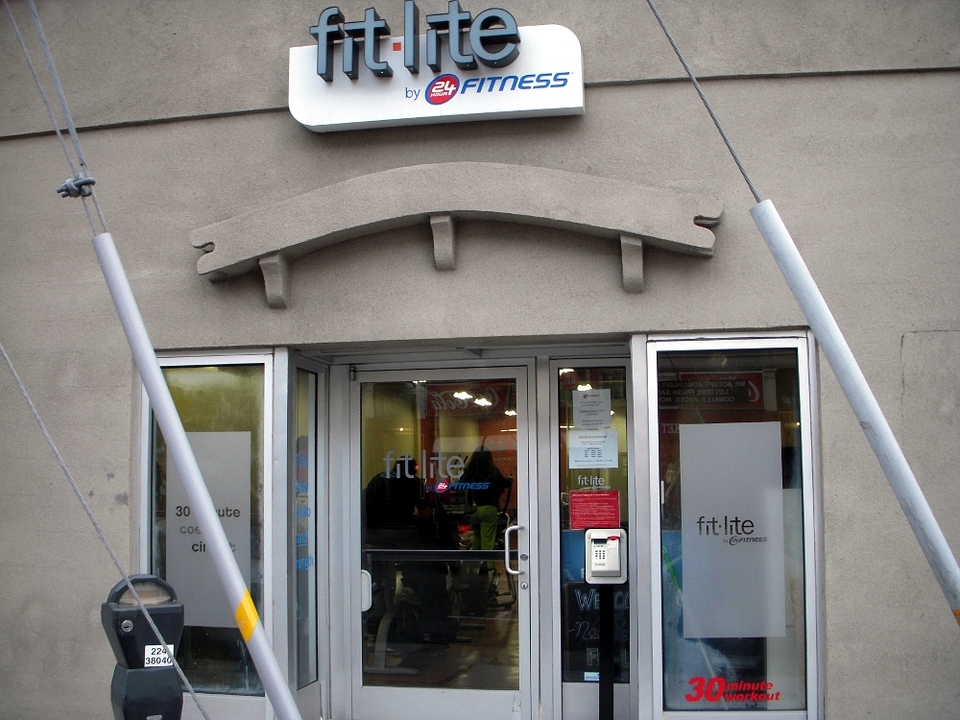
For some time now, selectcompanies have even been using fingerprints to identify their customers. I was quite surprised when our fitness center, "24 Hour Fitness," recently set up small kiosk at the entrance. A friendly staff member pointed out to me that I would no longer need to bring my membership card if I participated in their "Cardless Check-In." It would be completely hassle-free and painless: After scanning both of my index fingers, I would just need to come up with a 10-digit code, and then in the future, I would simply place either my right or left index finger on the scanner, enter the code, and swiftly walk into the fitness center.
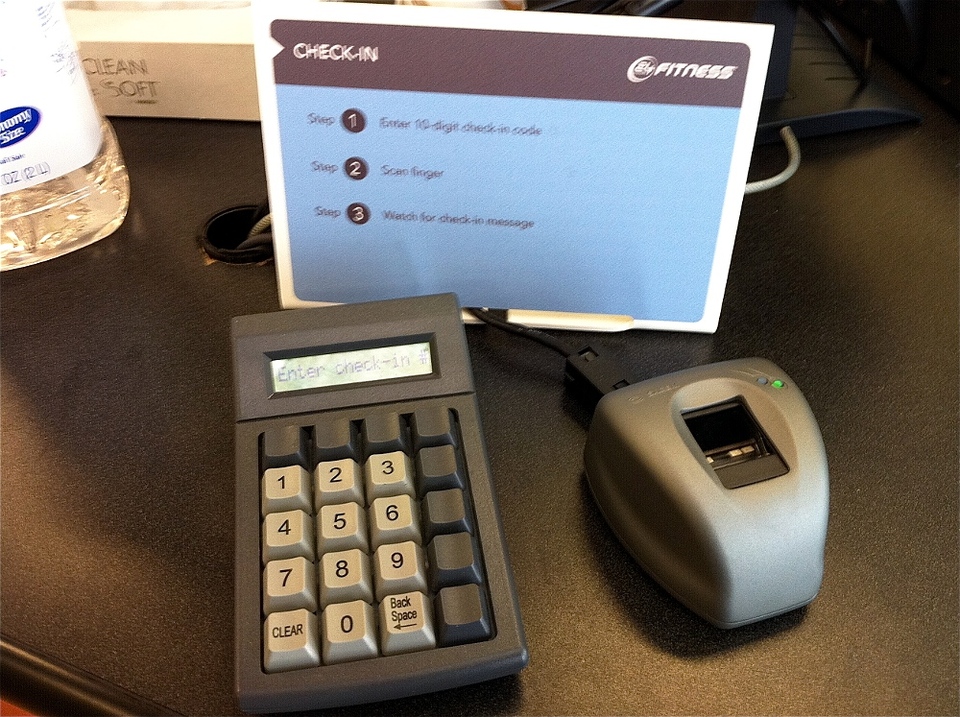
I declined with thanks, as it's already enough for me that I had to give my fingerprints for the Green Card back then, and every time I enter the USA, the immigration authorities want my fingerprints again. After I said it, the employee at "24-Hour-Fitness" didn't look so friendly anymore, because the company was installing fingerprint scanners but simultaneously removing the old barcode scanners that used to read the membership cards. This means that the "24-Hour-Fitness" employees now have to manually enter the numbers from the customer cards into the computer.
In my opinion, this is a very deliberate tactic by the company to separate as many customers as possible from their membership cards, even though, of course, providing fingerprints is voluntary. The company also assures that it does not store the fingerprints, but as my computer expert Michael at home always emphasizes, ultimately everything can be hacked. By the way, the Perlmeister also refuses to provide his fingerprints to "24 Hour Fitness." And before I receive angry letters again: I know myself that no one is forcing us to join this gym. But what I actually wanted to say is: I was very surprised at how willingly most members provided their fingerprints without questioning the new method. At least according to my private studies, two-thirds are already using the new method.
And the ultimate highlight: Recently, I read in the newspaper that some kindergartens (called "preschools" here) in the city of Richmond, northeast of San Francisco, are equipping their little ones with microchips in their T-shirts. The chip provides information on whether the child is present, where they are in the building, and whether they have participated in lunch. I'm really glad that this didn't exist in our times.