07/12/2008   English German

  Edition # 75  
San Francisco, 07-12-2008


Figure [1]: The suburbanite in the first house has
probably already regretted the purchase of the two lobsters.>

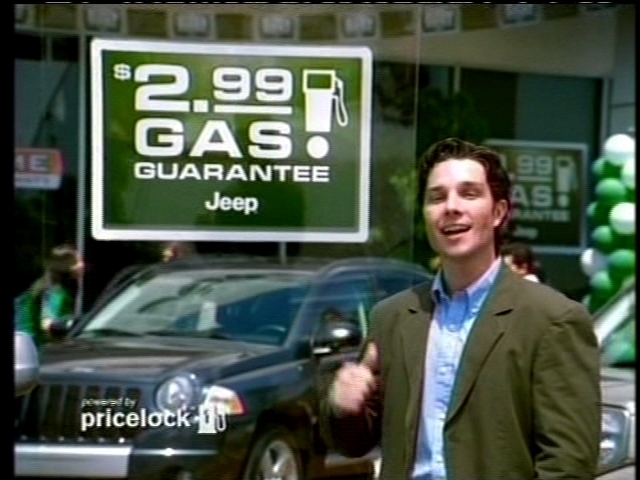
Angelika In addition to the gimmicks described by Michael, car dealers are flooding us with tips on saving gasoline. These include everything from driving less, removing unnecessary weight from the trunk, staying slightly below the speed limit of 65 miles per hour on the highway, maintaining the correct tire pressure, to downright absurdities like turning off the engine when driving downhill. The latter, however, prompted an immediate outcry from the AAA (the American equivalent of the ADAC) because it is dangerous. It is slowly becoming clear here that gasoline prices will remain high in the long term or may even rise further. I am sure that $10 per gallon is on the horizon in the near future (in Germany, if you convert gallons to liters and dollars to euros, you already have $9.57 per gallon of premium gasoline).

And behold, the behavior of this car-loving nation is already changing. The number of passengers using public transportation systems like BART (the subway in San Francisco and surrounding areas), ferries, and CalTrains (commuter trains operating between San Francisco and San Jose) is increasing, and bicycle sellers are pleased with higher sales figures. Employers are complaining that potential candidates are turning down jobs that are too far from their homes and require long commutes by car.

Experts, such as one of my favorite columnists, Paul Krugman from the New York Times, already foresee the end of the American concept of "Suburbia," which refers to the settlement in ever-expanding suburbs. The urban sprawl in America has led to a situation where almost all daily activities, such as shopping, prioritize the use of cars. With skyrocketing gas prices, this puts a strain on people's wallets.

Figure [2]: Typical suburban neighborhood in South San
Francisco.>

However, the infrastructure cannot be changed overnight, as for years no one invested in the public transportation system, and local small businesses gave way to huge shopping centers that everyone has to drive to. I really can't appreciate this uniformity of suburbs, which lack any originality and look the same from the East Coast to the West Coast, so I would be very glad if the trend were to reverse.

Quiet signs of this may also be evident in the problems faced by the coffeehouse chain "Starbucks." I already mentioned in the last newsletter that "Starbucks" is feeling the effects of the unstable American housing market and the credit crisis. Rundbrief 05/2008 ), but many American customers now seem to be put off by the size of the empire and the always identical-looking stores. They prefer to frequent smaller coffee houses that have their own flair and ambiance.

The German word "Ein" translates to "A" or "An" in English, depending on the context. The translation of "Bericht �ber Starbucks imFernsehen" to English is "Report about Starbucks ontelevision. It was recently shown that Starbucks customers now miss the typical coffee smell, as beans are no longer ground on a large scale in the store. The spectacle of preparing the various coffee drinks was also lost after the introduction of new espresso machines, which customers could no longer see over. The head of Starbucks promised to correct both issues, in addition to closing 600 stores, in order to avert the crisis.

RSS Feed
Mailing Liste
Impressum
Mike Schilli Monologues


Get announcements for new editions

New editions of this publication appear in somewhat random intervals. To receive a brief note when they're available in your mailbox (about once every two months on average), you can register your email on the 'usarundbrief' Google Groups list.

Your email address


All Editions:


Send us a comment
We'd like to hear from you, please send us feedback if you want to comment on the content or have suggestions for future topics.

Simply write your your message into the text box below. If you'd like a response from us, please also leave your email. If you want to stay anonymous, simply put 'anonymous' into the email field. This way we'll get the message, but we have no way to respond to you.

Your email address


Message

 
Contact the authors
Latest update: 13-Jun-2026