
Angelika We always enjoy going to museums. However, it increasingly annoys me that you often have to book a time slot online nowadays, especially for more well-known museums. This takes away some of the spontaneity, and I'm no longer a fan of having vacations planned out like this. Additionally, large museums quickly tire me out due to the sheer number of exhibits. That's why we are now specifically looking for smaller museums.

When we were in Los Angeles after Christmas, as is our tradition, we visited the "The Wende Museum". The name initially sounds unusual for Los Angeles. However, "Wende" means "turning point" in German and actually refers to the fall of the Berlin Wall and the time before it. But how does such a museum end up in Los Angeles? Historian Justinian Jampol, born and still residing in Los Angeles, had a particular interest in European history and the Cold War.

After the fall of the Berlin Wall, he watched with concern as many cultural assets--artworks, films, photographs, but also everyday objects--disappeared because many people wanted to leave that era behind. In the 1990s, he began collecting objects from Eastern Europe and the former Soviet Union. Initially, he even stored them in his own home, as a friendly volunteer staff member told us. In 2002, this collection became a museum, initially housed in a small office building, while a large part of the collection continued to be stored in containers. In 2017, the collection finally found a permanent home: a building on Culver Boulevard, which had been built in 1949 as an atomic bunker and was later used by the National Guard. The museum was allowed to move in for the symbolic price of one dollar per month at a lease term of 75 years.
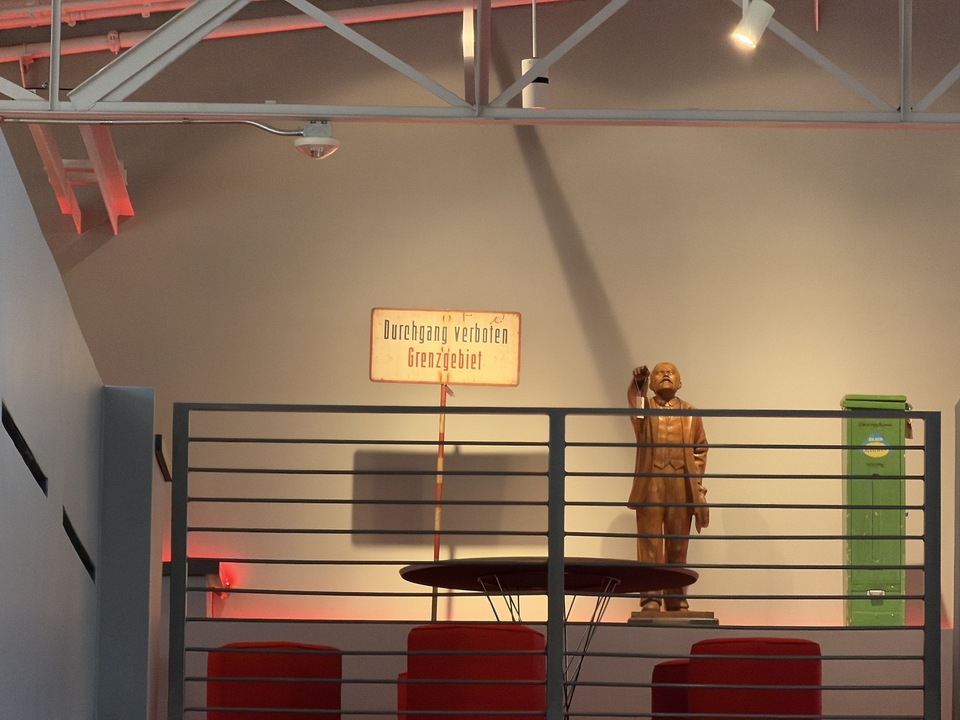
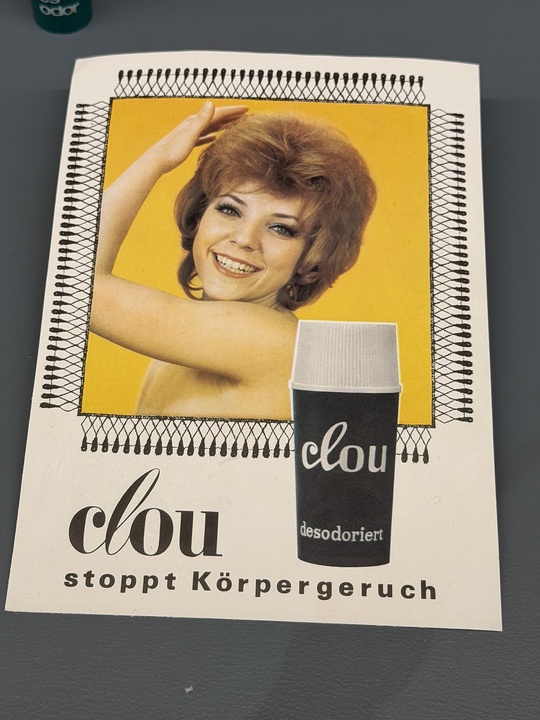
Today, the collection includes over 100,000 objects. The museum not only showcases rotating parts of these exhibits but also sees itself as a place for exhibitions, encounters, and historical research. I was particularly fascinated by the everyday items, such as GDR soap or old advertising posters. Incidentally, Taschen Verlag has published many of these objects in a book: The GDR Handbook.
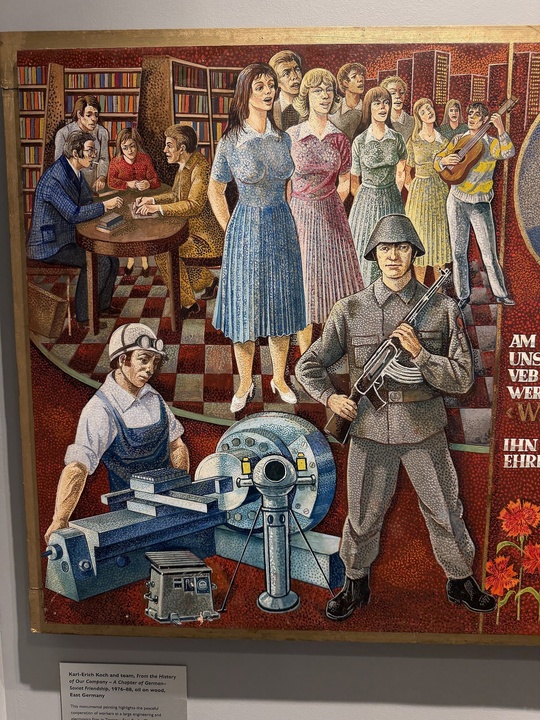
Michael The museum indeed gives a somewhat half-finished, unpolished, and almost cobbled-together impression, but some exhibits are quite impressive. For example, oil paintings in typical GDR aesthetics, as art in the GDR was known to be subject to government oversight and served political purposes. In one oil painting, a researcher in a white lab coat is tinkering with the computer of a nuclear power plant, in illustration 1 a worker is machining at a lathe, and next to him stands a People's Army soldier with a cone helmet and assault rifle. That's how it was back then.
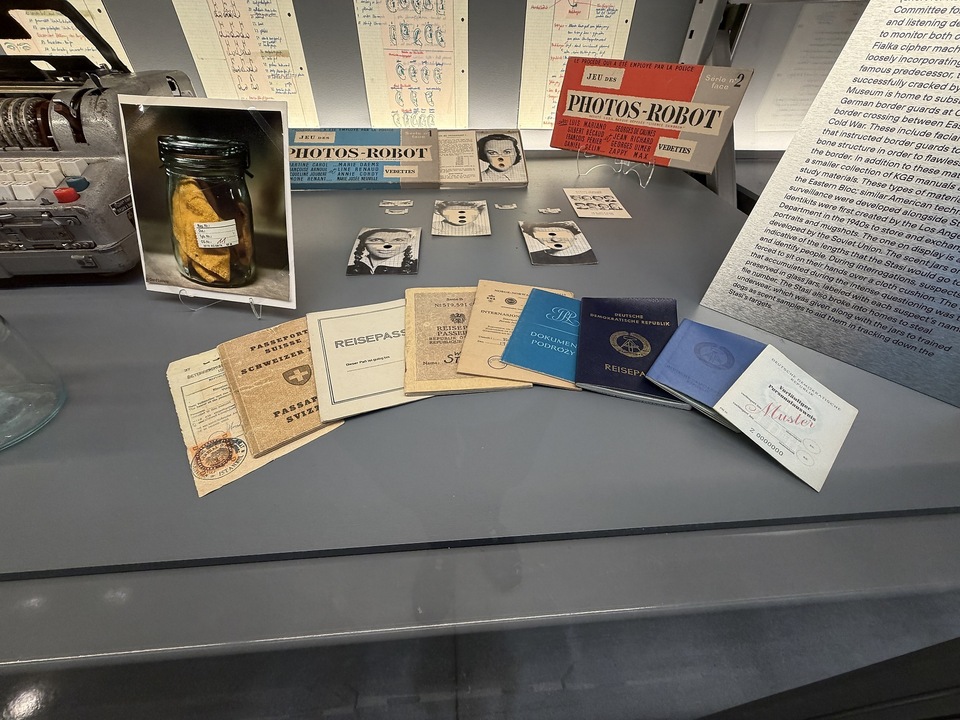
Some display cases showcase typical GDR products, from the Kombinat bra to GDR-made deodorant, or the state-owned hairdryer. Also fascinating is the collection of equipment used by Stasi spies: scent samples from suspects were preserved in mason jars, or dossiers were created with detailed descriptions of the physiognomy of state enemies, from ear spacing to nostril size. An Enigma-like encryption machine was on display, as well as a mini spy camera that could be strapped on like a belt, about the size of a modern compact camera. This section reminded me very much of the Stasi Museum in Leipzig that we visited many years ago. The extensive espionage department there is also world-class.
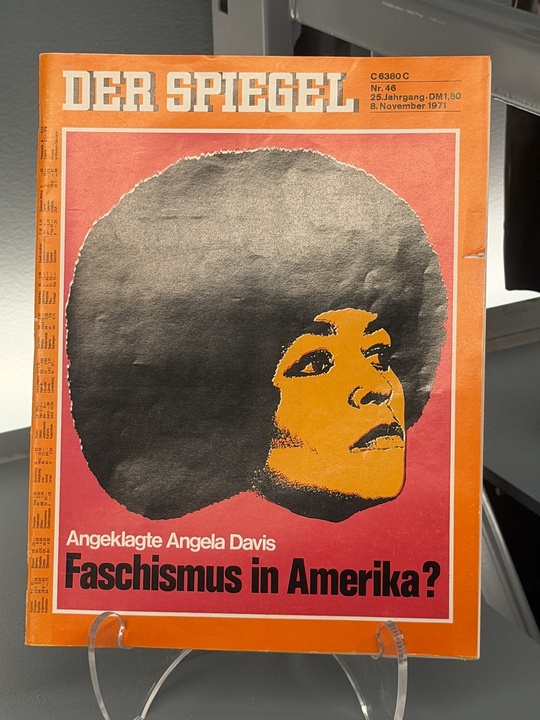
Huge shelves filled with books from the GDR and display cases with old magazines, both on the topic of the GDR and the communist brother countries, complete the exhibition. The museum is open from Friday to Sunday, and admission is free. It's a small but excellent museum that we highly recommend.