
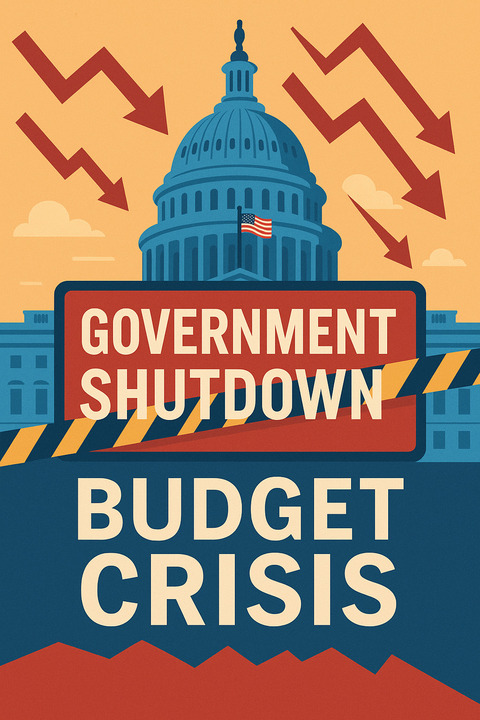
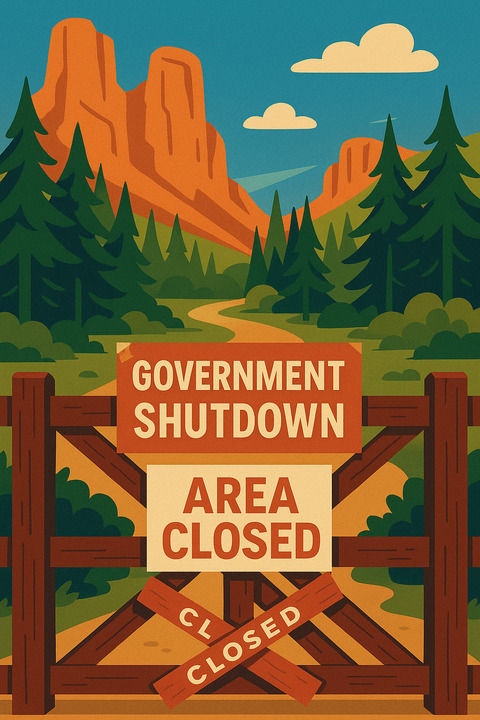
Angelika Since October 1st, I've sometimes felt like living in a banana republic. The ladies and gentlemen politicians in Washington couldn't agree on a new federal budget in September and therefore went home in a huff, while we citizens were left in the lurch. Without an approved budget, federal spending was frozen, and the US administration was operating on a low flame. Offices and agencies closed or offered only severely limited services.
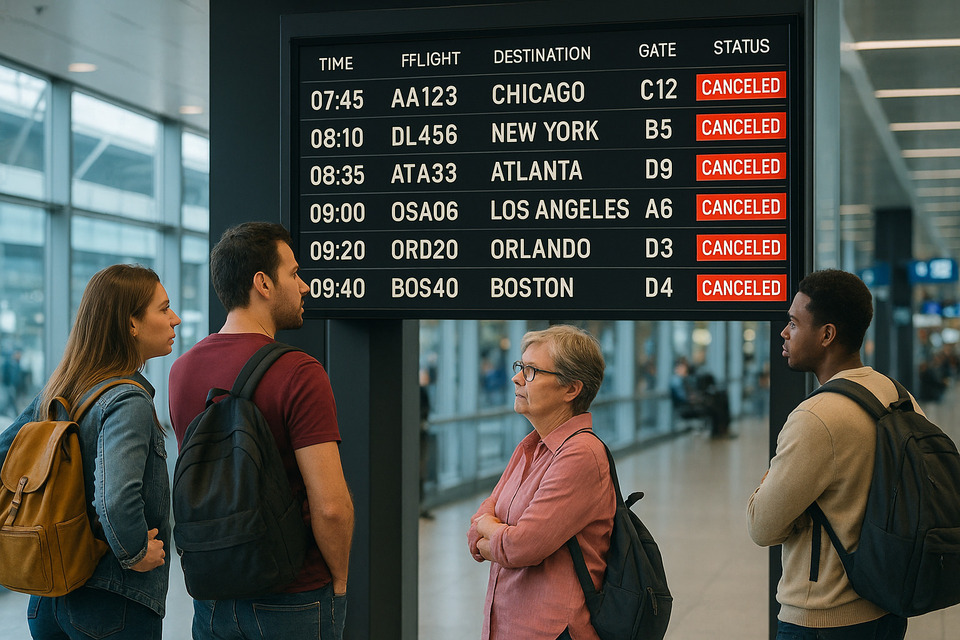
Many government employees were sent home without pay. Others, responsible for essential services or security--such as air traffic controllers--had to continue working, albeit without pay. Naturally, this greatly upset many, and sick leave reports increased sharply. Some even sought side jobs, such as package delivery drivers for Amazon. This is because many people in the USA have little savings, live paycheck to paycheck, but their expenses remain the same, regardless of whether the government shuts down or not.
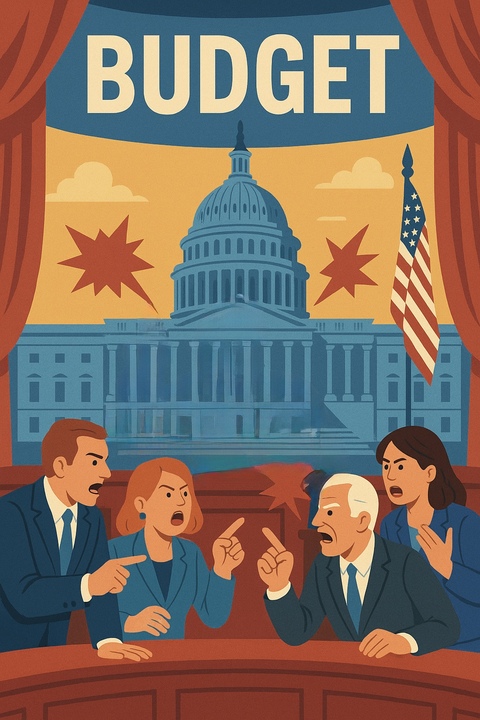
How did this so-called "Government Shutdown" come about? The U.S. budget must be passed by both the House of Representatives and the Senate. In the Senate, it requires 60 out of 100 votes. More precisely, it needs 60 votes to end the so-called filibuster in the Senate. The filibuster is a strategy used by the opposition to prevent or delay a vote through prolonged speeches. Although the Republicans currently hold a slim majority in the Senate, they only have 53 votes, meaning they needed votes from the Democrats to pass the budget. However, the Democrats refused to give their approval because they demanded that the budget include funds for federal subsidies for Obamacare insurance premiums. These subsidies are officially set to expire at the start of the new year, which would mean significantly higher premiums for many citizens who are insured through Obamacare.
This brings me back to my series "What is difficult in the American political system and urgently needs to be changed?" In many other democracies, the old budget remains valid until a new one is passed to ensure stability. The legal basis for the entire drama in the USA is the so-called Antideficiency Act. This law, which dates back to the 19th century, prohibits federal agencies from spending money or paying employees if Congress has not passed a budget. However, it was not strictly enforced until 1980, and expenditures continued to be paid regardless. However, then-President Jimmy Carter's Attorney General put an end to this practice and decreed: Without a budget, the money flow is cut off. Since that time, "government shutdowns" have occurred repeatedly. However, they have become more frequent and last longer in recent times because, in times when no one can agree or make compromises, they are used as a political pressure tool.
In the population, it is understandably not well-received when their own government no longer works for the citizens, even though the members of Congress and Senators are paid with their tax dollars. Often, the party considered to be the driving force behind the "shutdown" is punished in later elections. By the way, members of Congress and Senators continue to receive their salaries, as stipulated in Article 1, Section 6 of the U.S. Constitution. It's no wonder that some people wonder why there aren't larger protests. Since 2019, government employees have at least been guaranteed back pay for their unpaid salaries once the shutdown is over.
After 35 days of shutdown, the votes of eight Democrats helped to pass the provisional budget, although without the assurance of Obamacare subsidies. By the end, air travel was already severely affected, as many flights had to be canceled due to a lack of air traffic controllers. This caused unrest among many politicians, including Republicans. Thanksgiving was approaching at the end of November, as it does every year, and traditionally, it feels like every American flies home to see their family. It is the most sacred of American holidays, and no one wanted to risk incurring the full wrath of the citizens.
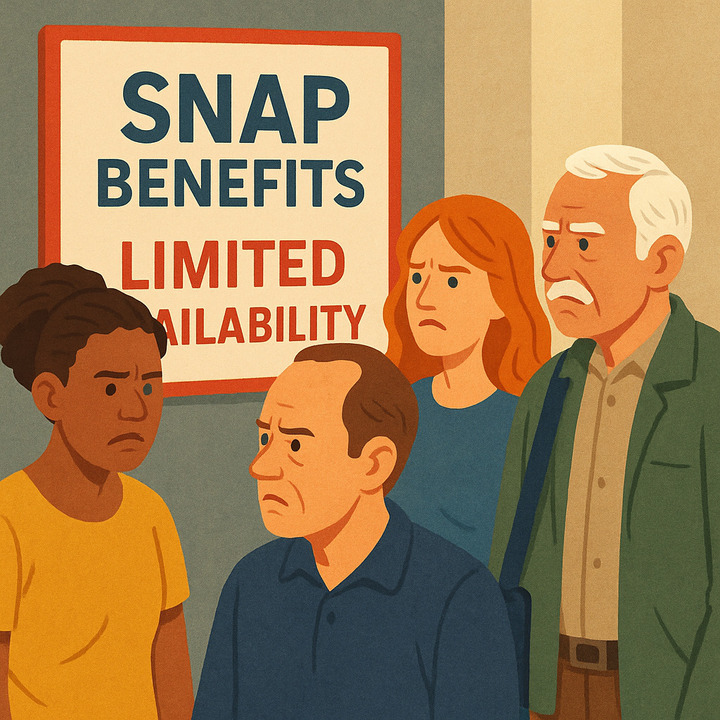
Some government employees lined up at charitable organizations to help with food distribution, and when these images circulated in the press, the pressure increased. Then there was the back and forth regarding food stamps, called SNAP (Supplemental Nutrition Assistance Program), for people living at the subsistence level. Initially, the payments were halted, but they were reinstated under pressure. Now, the provisional budget is going to be in effect until the end of January 2026, and then another vote will be necessary.