

Angelika As the presidential campaign enters its dirtiest phase, our "Governator" Arnold Schwarzenegger is fighting his own battle in California: Until recently, the legislature of our Sunshine State had not managed to pass a budget.
The budget is supposed to be finalized by July 1st, when the fiscal year begins in California. However, it was only this week, more than 80 days later, that the politicians reached a compromise with Arnie. Passing the budget in California requires a two-thirds majority in both the state Senate and the House of Representatives. Therefore, bipartisan cooperation is currently essential.
The dispute revolved around how to fill the $15.2 billion budget gap. Democrats wanted to increase our California sales tax, which is at least 7.25% in California, to 8.25% (San Francisco: from 8.5% to 9.5%). Republicans, who view tax increases as one of the greatest evils of humanity, could not agree with this idea at all. Their solution was to cut state funds and borrow against future revenues from the state lottery.
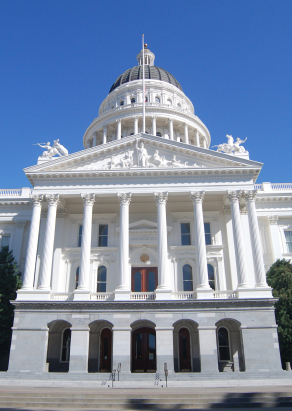
Schwarzenegger, who, as you all know, is himself a member of the Republican Party, found the proposed tax increase by the Democrats to be acceptable. However, he only wanted to allow the increase for three years, and then in the fourth year, slightly reduce the sales tax below the current rate of 7.25%. This, in turn, made Democrats furious.
"Let them bash each other's heads in in Sacramento," thought many. However, an unapproved budget means that the state of California is inadequately meeting its obligations, including to nursing homes and public schools. Due to the missing budget, the schools received only about 70% of what they are actually entitled to. Students waited in vain for their California student loans (the state's equivalent of federal student aid), and state employees in California had to temporarily accept a pay cut to the federal minimum wage of $6.55 per hour.
The union of the affected employees in the correctional system was so enraged by this that they initiated a "recall" action against Governor Schwarzenegger. This is almost amusing, as Arnie himself ousted our then-serving governor from office through a "recall" in 2005 (Rundbrief 10/2003). However, the action of the prison guards fell on deaf ears among California's voters.
But back to the budget. On September 16, a two-thirds majority was finally found for a fourth proposal. In addition to cuts, the gap was to be filled by bringing forward tax revenues. California primarily generates its tax revenues through income or business taxes. Therefore, starting January 1, 2009, politicians wanted to withhold an additional 10 percent of California taxes from salaries and businesses. However, this would be done without effectively increasing the tax rate, as taxpayers would receive a refund of any overpaid amounts when they file their California tax returns months later. Ultimately, this was an accounting trick and an interest-free loan from the citizens to the state of California. Politicians justified it by arguing that most taxpayers in California underpay their taxes in advance and only settle the difference when they file their tax returns.
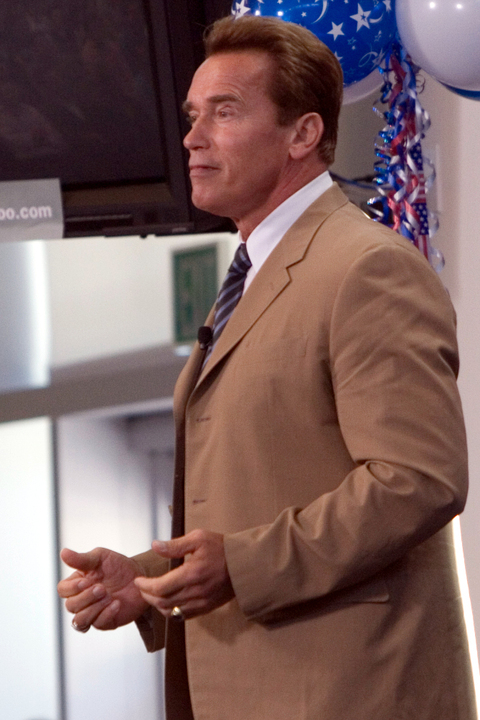
This won't generate any additional funds for the empty coffers either. Schwarzenegger raged, among other things, about the absurdity of the financial gimmicks in the proposal and threatened to veto it, meaning he would not sign the budget. In response, the legislators shouted that they would override his veto, which in California requires a two-thirds majority.
However, it didn't come to that. The proposed withholding of California income tax through increased deductions from salaries is off the table. However, companies are expected to pay significant penalties if they do not prepay enough California taxes. Schwarzenegger also ensured that the "Rainy Day Fund" (the fund where reserves for tough times are kept) is strengthened and that there are stricter rules on when it can be tapped. Borrowing against anticipated lottery revenues remained in the budget, but still requires the approval of California voters. Sometimes, one might think we are living in a banana republic and not in the state that is currently considered the eighth-largest economy in the world.