
Angelika For quite some time, Michael has been predicting that the American housing market would eventually collapse. He regularly sent newspaper articles to the homeowners among his colleagues that supported his hypothesis. We are considered a bit of an anomaly since we still rent. In overpriced cities like San Francisco and New York, where real estate prices, along with the property taxes to be paid, have long taken on surreal proportions, renting is indeed the more financially sensible solution.
But owning a home is part of the American dream. According to common belief, those who rise to the ranks of homeowners have made it into the middle class. American campaign slogans always include promises to increase the percentage of homeowners, especially among minorities.
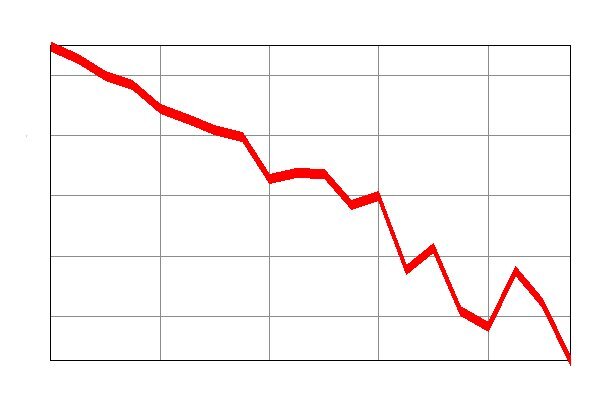
Now, after the internet bubble burst in 2001, the housing bubble has also recently burst, causing international stock markets to tremble. The lamenting is widespread, although we were surprised that the whole situation lasted as long as it did. It was clear that house prices couldn't continue to rise at such a frantic pace, if only because of the laws of supply and demand. But the unyielding optimism of many Americans, low interest rates, greedy real estate agents, and unscrupulous bankers who smelled big money and issued risky loans, inevitably led to the crisis.
Would-be homeowners were enticed with too-good-to-be true conditions on loans. Many buyers paid nothing upfront when purchasing a house and opted for adjustable-rate mortgages. In these cases, the interest rate is often initially unbeatably low for the first one or two years and then rises rapidly. There were also models where the borrower initially only had to pay the interest on the borrowed amount, but not make any payments against the principal. But why did financial institutions engage in such risky maneuvers? As long as house prices were rising, everything was fine, because even if the homeowner could no longer make their payments, the bank would be pleased, as the house would go back to the bank, which would then sell it off at a much higher price.
Additionally, so-called "Home Equity Loans" became extremely popular. These are loans that homeowners took out based on the increased value of their homes. Originally, these loans were used, for example, to finance home improvement projects. However, during the euphoria of the recent real estate boom years, many people spent the money on other consumer goods, or simply to afford a higher standard of living. But as house prices continue to plummet, resulting in millions of Americans having mortgages that are now higher than the actual value of their homes, the equation unfortunately no longer works out. Credit card companies are now concerned that their customers, lacking "Home Equity," will instead charge their expenses to their credit cards and eventually be unable to pay them off. As a precaution, they have significantly increased the interest rates for people who do not pay their bills on time and are therefore considered high-risk.
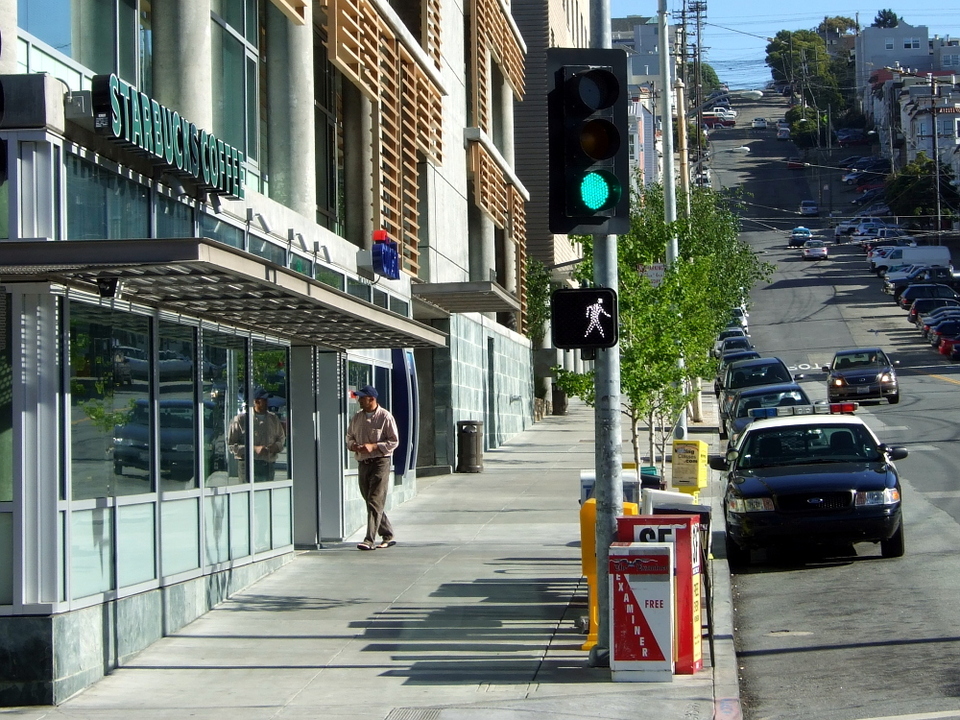
In turn, the stock market tremor arose because credit institutions continued to sell the mortgages to the financial markets. They bundled individual loans into tradable securities, which were then rated as safe by the experts. However, when the mortgage loans started to default one after another due to falling house prices, unrest suddenly spread among investors. Credit institutions that had been particularly eager to invest in these actually high-risk securities suddenly incurred significant losses. Meanwhile, caution is once again the order of the day, and banks are no longer granting loans as freely as they used to. However, this is currently causing the economy to stagnate. Even the eternally consuming American has taken a hit and seems to be holding onto their money more tightly. At least they are drinking fewer lattes and frappuccinos, as the coffeehouse chain "Starbucks" announced this week a profit decline of up to 28 percent.
But rescue is in sight. Starting this week, the tax administration, under the directive of President Bush and the American Congress, is sending checks to citizens to encourage them to spend more. Anyone who filed a tax return in 2007, had an income of at least $3,000, and possesses a Social Security number will receive up to $600 from the government ($1,200 for married couples filing jointly). An additional $300 is added for each child under 17. However, higher earners will have to settle for less. Most economic experts, however, doubt that these gifted sums will turn the tide.


According to the latest statistics released at the beginning of the week, California, along with Florida, Arizona, and Nevada, has the highest percentage of foreclosed homes. Interestingly, the statistics for San Francisco look different. While homes in surrounding areas like San Leandro, Daly City, and Fremont are being taken over by banks one after another, this is not the case in San Francisco. Here, house prices not only increased by 0.4 percent in March, but the foreclosure rate was also a low 2.4 percent. There are indeed a lot of wealthy people in San Francisco who are hardly affected by the economic downturn, or people who have owned their homes for decades. Additionally, many first-time homebuyers have been drawn to the surrounding cities, as houses there are somewhat more affordable than in San Francisco itself.
The fact that rents are rising during a housing crisis is somehow logical, because more people are entering this market. San Francisco is also a leader in this regard, despite low foreclosures. Rents in San Francisco have increased by 14.4 percent compared to last year. Somehow, we seem to be magically drawn to cities that come with high rents!