
Michael We have often mentioned that it won't rain a drop in San Francisco between March and October. This raises the question: Where do the city and the surrounding areas get enough fresh water to survive?
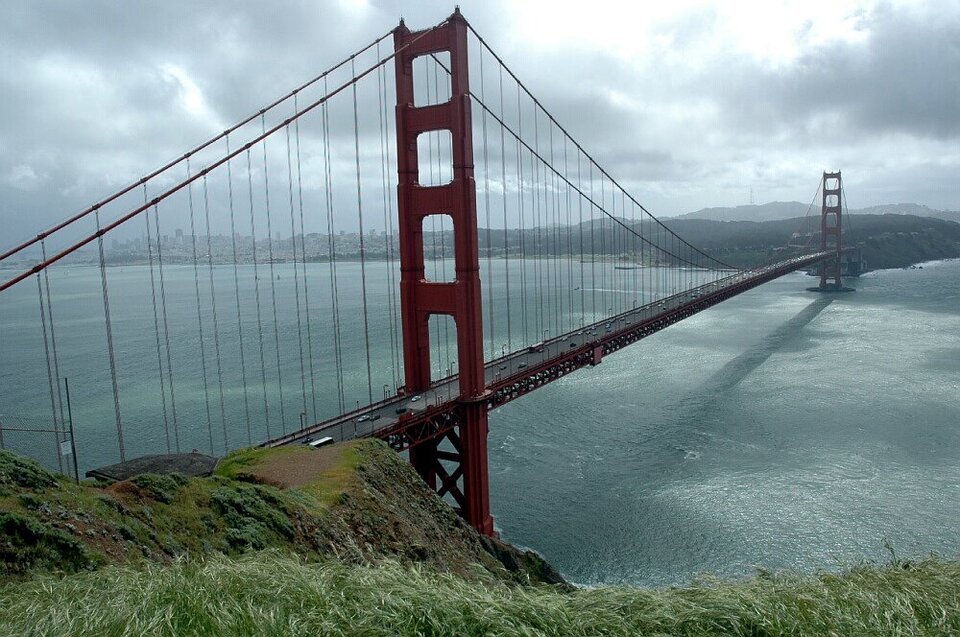
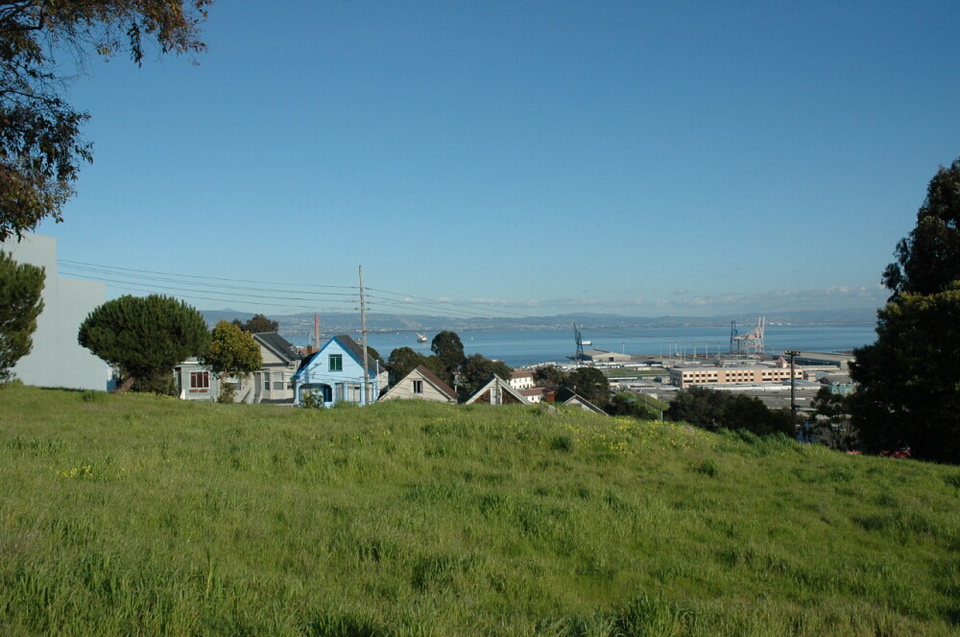
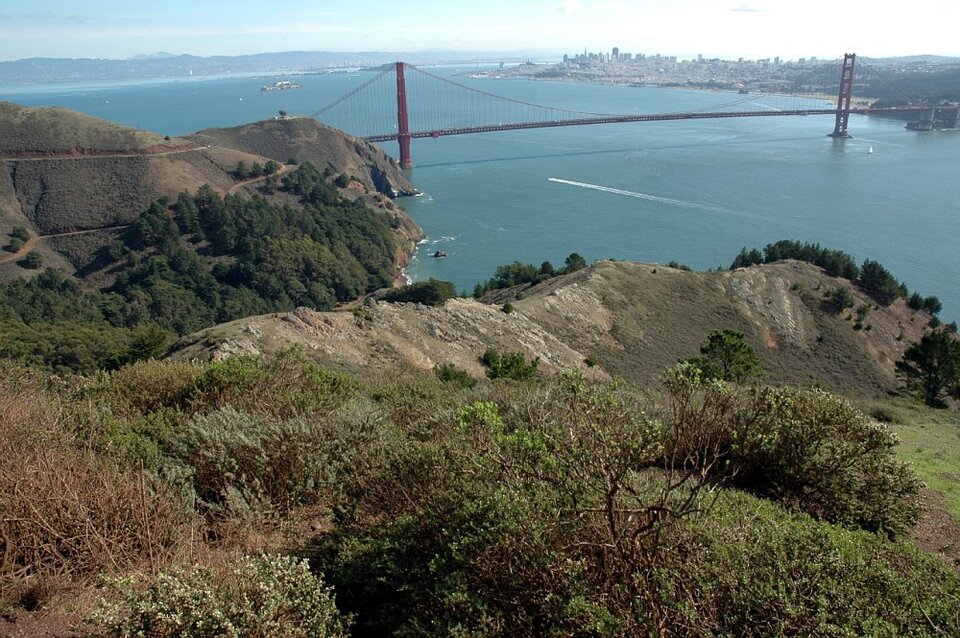
Everything that is green in San Francisco is being watered in the summer. The palm trees on Dolores Street and the many green parks would be unthinkable without sprinkler systems. Areas that are not artificially irrigated, such as Bernal Heights Hill or the expansive Marin Headlands north of the Golden Gate Bridge, completely dry out during the summer months and turn brown.
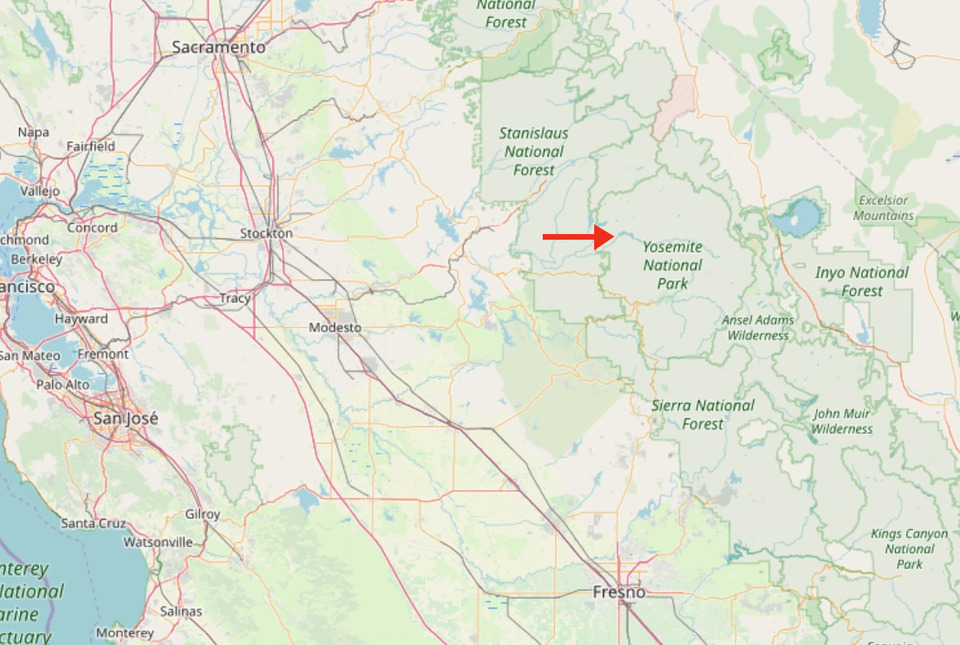
Approximately 130 miles east of San Francisco lies Yosemite National Park, an alpine-like landscape with great climbing opportunities, where the two intrepid newsletter reporters have also roamed. At the western end is the so-called Hetch Hetchy Valley. "Hetch Hetchy" refers to a type of grass with edible seeds in the language of the Sierra Miwok Indians who once lived there. After the earthquake in 1906, the city of San Francisco demanded water rights in the park to build a dam, to flood the Hetch Hetchy Valley, and to create a water reservoir.
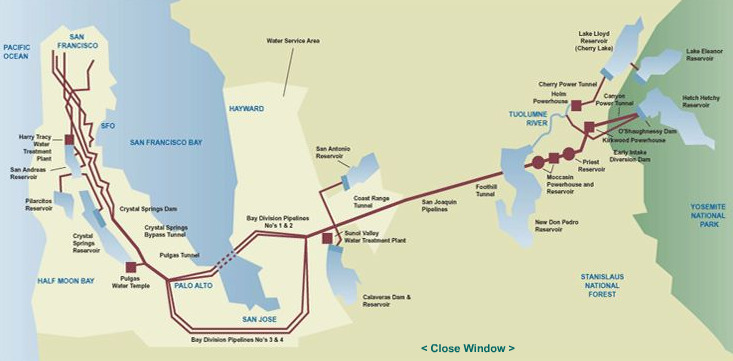
The conservationists, led by John Muir, were up in arms. A seven-year legal battle ensued, and in the end, a federal court issued a decisive ruling in the "Raker Act." The O'Shaughnessy Dam was constructed, and the Tuolumne River, flowing into the valley, filled it to the brim with water. This precious water is delivered to San Francisco and the surrounding Bay Area through a complex system of pipelines and tunnels. On the website of the waterworks you can see exactly how the whole thing works.
In the summer, the basin gradually empties, but the winter rain refills the reservoir. A few years ago, there wasn't much rain in the winter, and as a result, there was a water shortage in the summer. At that time, recommendations were issued to shower only once a day and to water the lawn only in the late evening.