
Taos Pueblo
Angelika But I digress, because I actually wanted to talk about the still-inhabited Native American village "Taos Pueblo." By the way, the term "Pueblo" comes from Spanish and means "village." The Spanish colonial rulers brought the term to New Mexico.
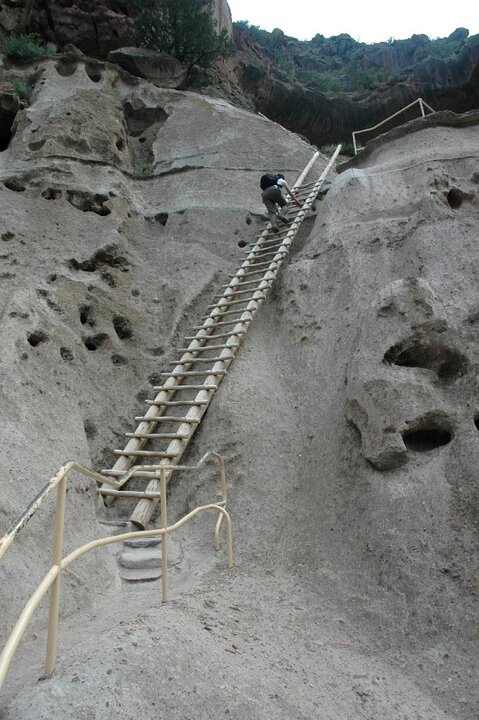
Taos Pueblo has about 2,000 Native Americans living there, with approximately 50 families residing in the three-story, 1,000-year-old adobe houses. To this day, these houses have no running water or electricity. However, the rest of the village inhabitants are living in modern houses. There is also a Catholic church on the village square, which might surprise you. The blame, of course, lies with the aforementioned Spanish conquerors who imposed their Catholic faith on the Native Americans. Even today, the Native Americans living in this area are generally Catholic.
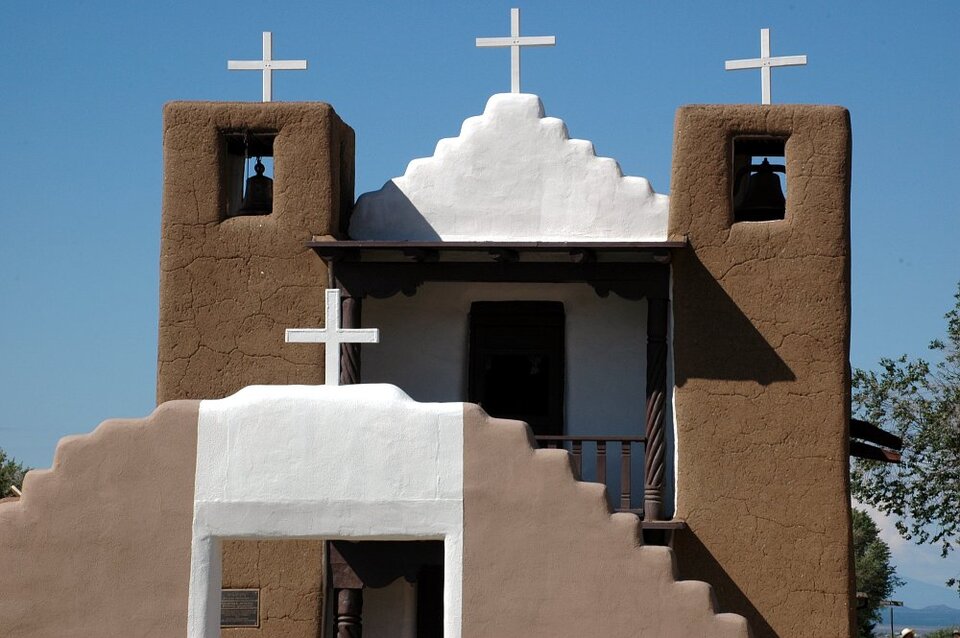
If by chance you ever find yourselves wandering around New Mexico, don't miss "Taos Pueblo." The architecture of the village is absolutely impressive, and a sense of tradition and history surrounds you at every turn. Incidentally, UNESCO agrees, as it added Taos Pueblo to the World Heritage List in 1992.
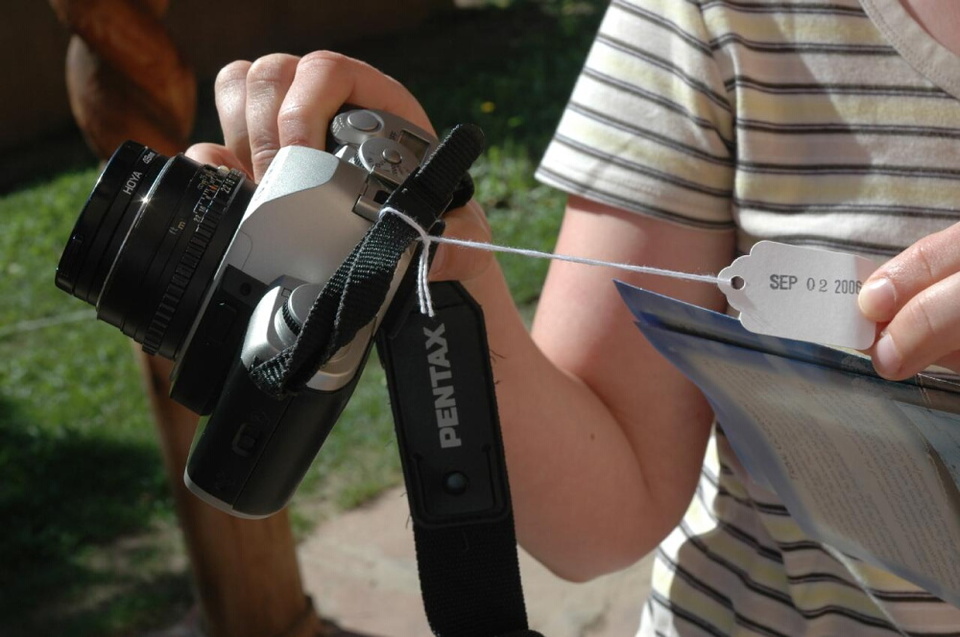
A bit unusual, however, is the fact that tourists can only enter the village if they pay an entrance fee of 10 dollars. This is common practice in most Native American villages in New Mexico. Taos Pueblo is also officially a Native American reservation and therefore self-governed.
If you want to take photographs in Taos Pueblo, you pay an additional 5 dollars per camera. Of course, this is how the Native Americans make their living, and that's okay, but at first, we felt a bit inhibited and like intruders. However, the village residents were very friendly and open-minded. Not all areas are accessible to tourists. In the ancient adobe houses, many Native Americans have small shops where they sell their crafts, such as jewelry, wood carvings, and woven goods.
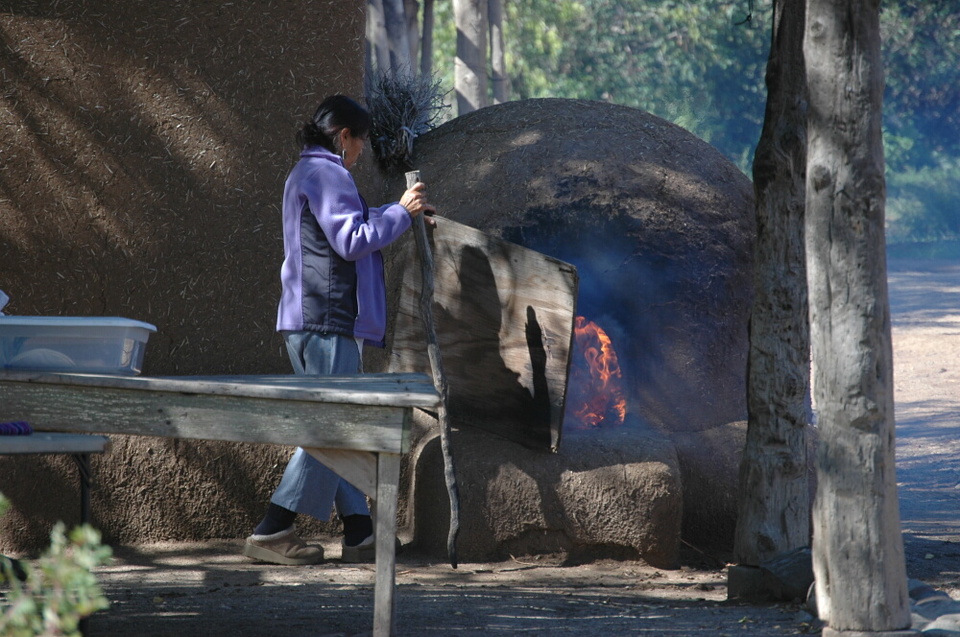
The highlight, however, was the delicious baked goods that were offered for sale, traditionally baked in an adobe oven, which is usually located outside the house and looks like a large anthill with a hole.
In Taos Pueblo, we also noticed that many businesses advertised using the term "Indian." Normally, in "politically correct" circles, the term "Native American" is used when referring to the indigenous peoples of America (Rundbrief 02/2002). The tour guide informed us: In the state of New Mexico, most Native Americans find it perfectly acceptable to use the term "Indian." Even museums that deal with the history or art of Native Americans are called, for example, "Museum of Indian Arts and Culture." Nevertheless, as a tourist, I would advise you to stick with "Native American," as you can't go wrong with that. By the way, in New Mexico, white people are often referred to as "Anglos," while in the rest of the country, "Caucasian" is considered correct.