
Michael Every language translates animal sounds slightly differently. Sometimes, something similar comes out, like with the cow, which goes "Muh" in German and the similar-sounding "moo" in English. But did you know that the sound for a horse neighing is "neigh" (pronounced "neehii")? By the way, in America, you don't urge a horse on with "Hüh" and stop it with "Brr," as you do in Germany. Instead, you start it with a double tongue click in the side/back of the mouth, similar to how you might attract a horse or cow in Germany when holding a carrot. A horse is stopped with "Whoa!" The latter is also the warning sound you make when you would say "Achtung!" in German, like when a piano is about to fall on someone's head.
In written English, the sound is called "tut-tut. Tut-tut It is spoken like typing with the tongue.
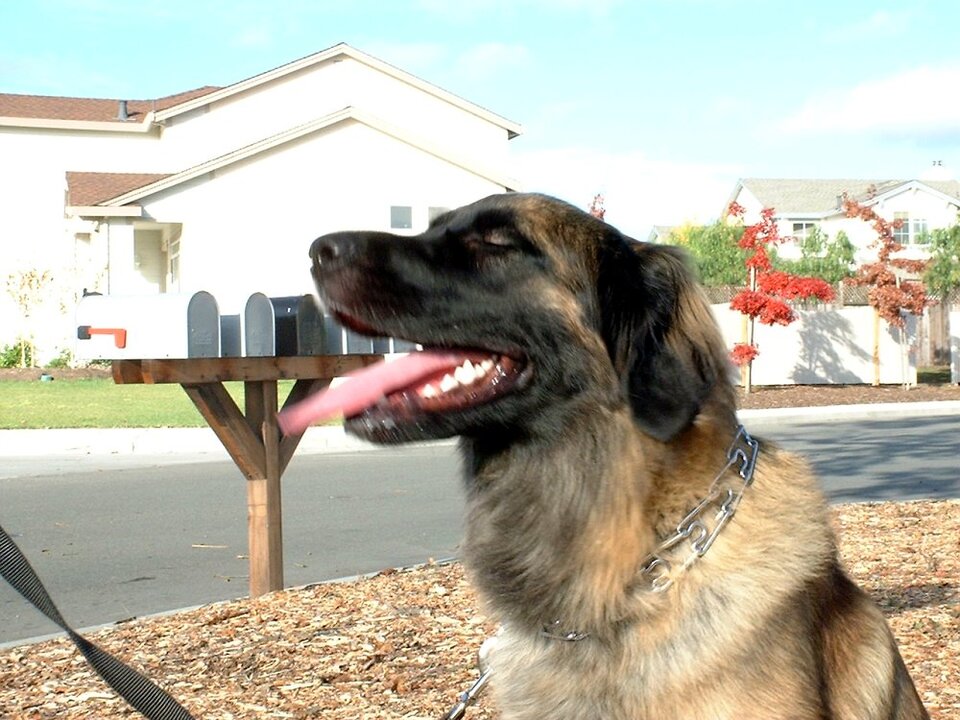
A dog goes "arf arf" or "bow wow" depending on its size. A trumpeting elephant goes "baraag," a frog goes "ribbit," a goat goes "baa," and a squealing pig goes "wee wee." On the internet, there are sites that list Animal sounds in different languages There are quite a few surprises for non-native speakers!