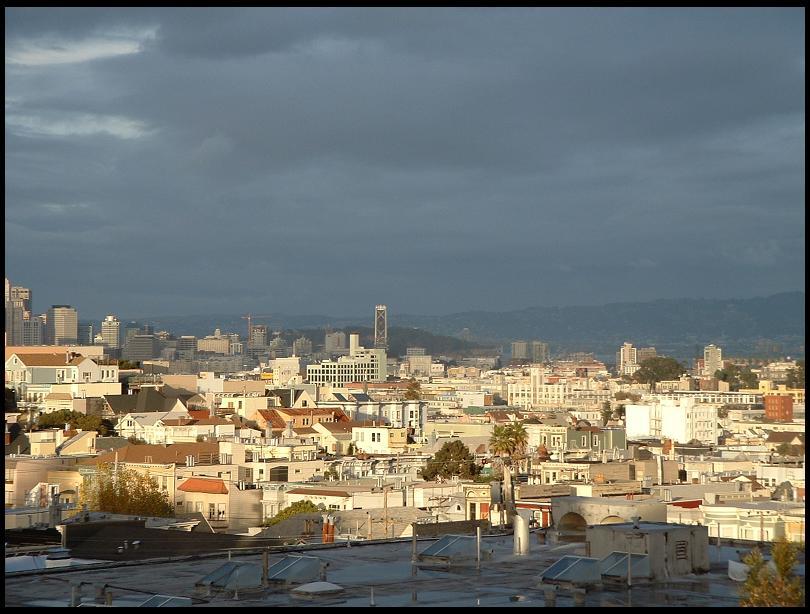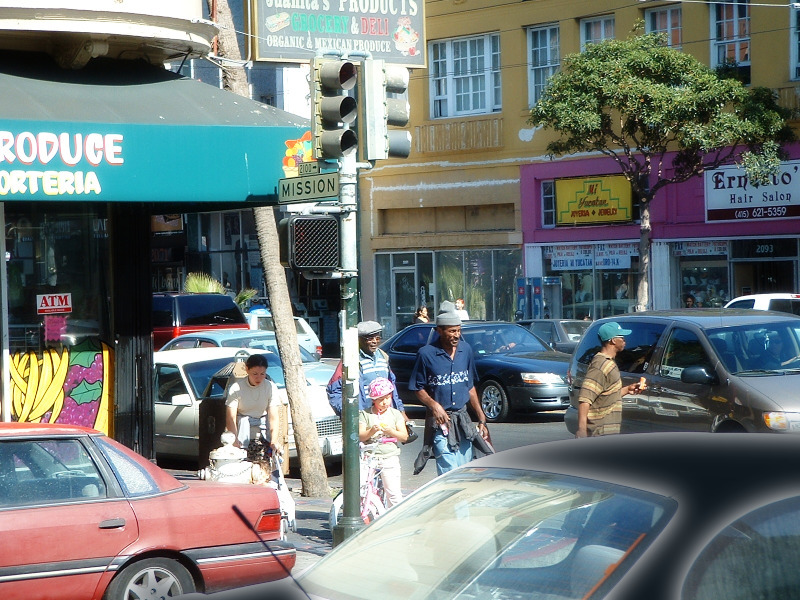
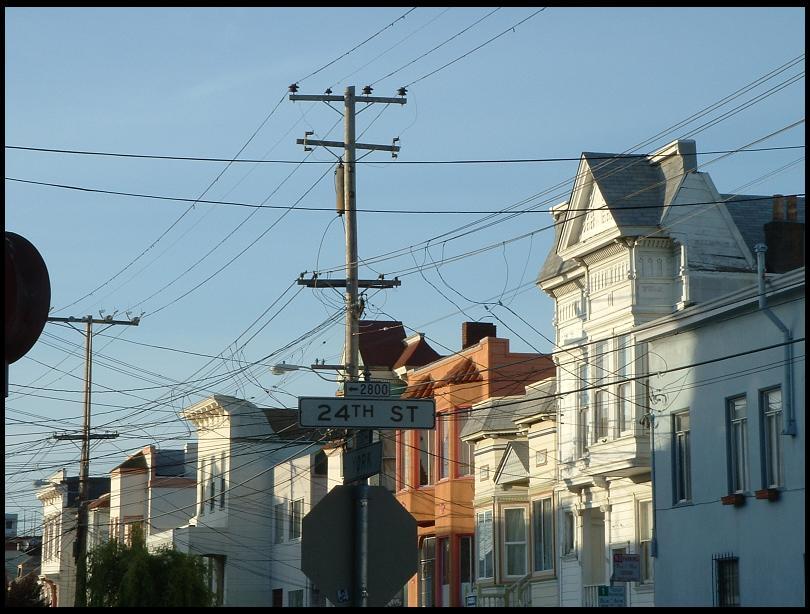
Michael One of the most beautiful achievements in San Francisco is the international atmosphere. Within half an hour, you can travel from Japan through Italy and China to South America. The latter neighborhood is just around the corner from us, and when you descend from our Noe Valley into the colorful Mexican "Mission," you can hardly believe your eyes and ears: everybody suddenly is speaking Spanish, people drive rundown cars, more trash lying in the streets, and Mexican oom-pah music blares from apartments and bars. One taqueria after another offers tacos, burritos, fajitas, and chile relleno.
In the Mission, people from Mexico and other South American countries--Nicaragua, Peru, Brazil, Chile--have chosen this neightborhood for a very long time. Interestingly, the Mission has the warmest climate in San Francisco: never foggy, and on some summer days, it's actually as scorching hot as in South America. Carlos Santana, the guitar legend, grew up here.
During the dot-com boom in the late nineties, the Mission was quite a wild neighborhood, with shootouts every night. However, it was considered extremely chic among the newly wealthy yuppies to find apartments in the Mission and furnish them in a hyper-modern style. Suddenly, between the dented cars of the old Mission residents, there were Daimlers, Porsches, and BMWs. This was not well-received, as it drove up the cost of rent and displaced some of the poorer long-time residents from their neighborhood, which they and their families had inhabited for generations.
Even today, I wouldn't park a luxury car in the Mission -- on those that are parked there, you often see unsightly meter-long scratches in the paint, which were obviously caused intentionally by angry people.
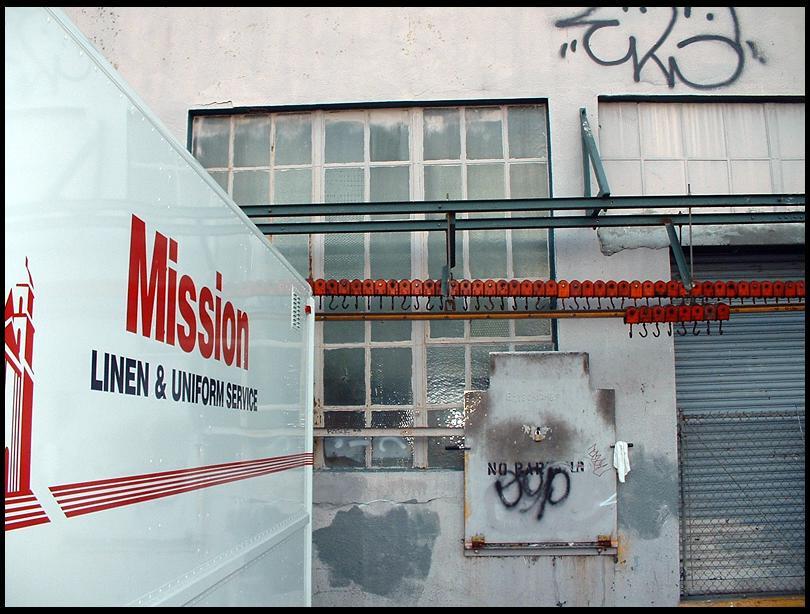
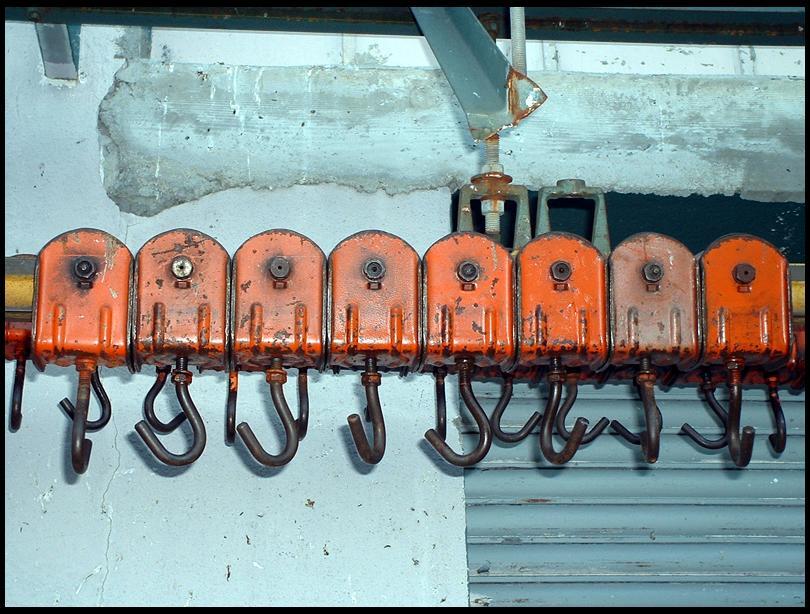
Alternative small businesses had settled in the Mission due to the lower rents: For example, 'Die Werkstatt,' a motorcycle workshop run by a German. Or The company Timbuk2, which makes messenger bags popular amongst bicycle couriers, is based here. Every hardcore cyclist in San Francisco carries one. It's more than just a bag; it's a clear political statement. You can buy them in select stores in San Francisco or order them online. But they are made in the Mission.
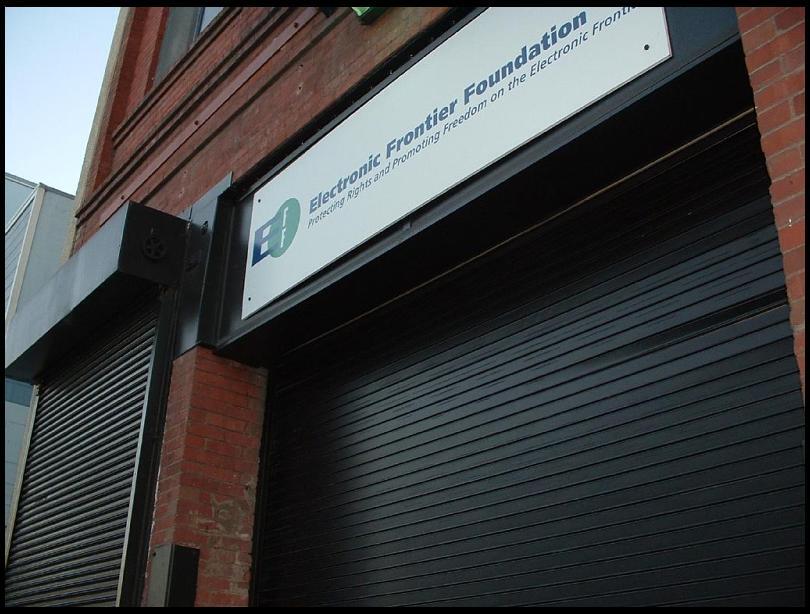
And also the Electronic Frontier Foundation has its office there. It's an organization that focuses on defending civil liberties in the digital world. The organization is based in the Mission. The small, shop-like office serves as the headquarters for the globally known, somewhat radical organization that stands against any form of internet censorship.
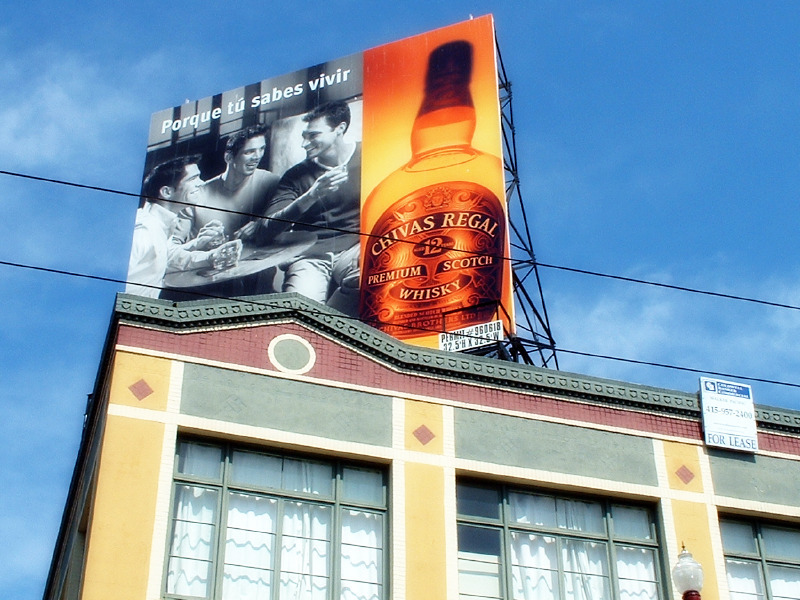
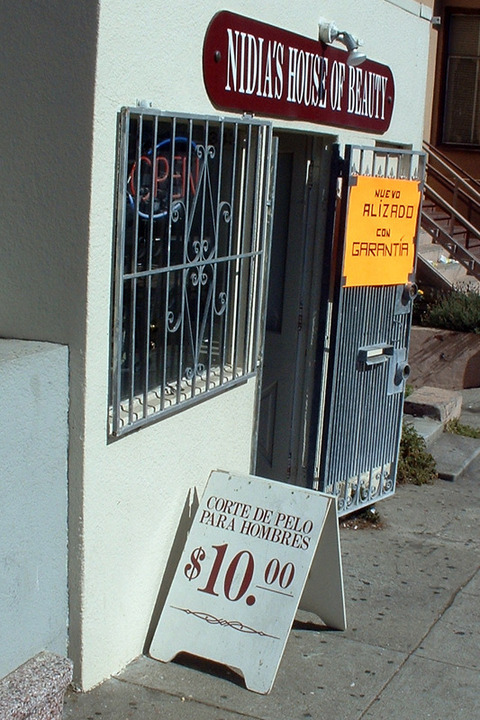
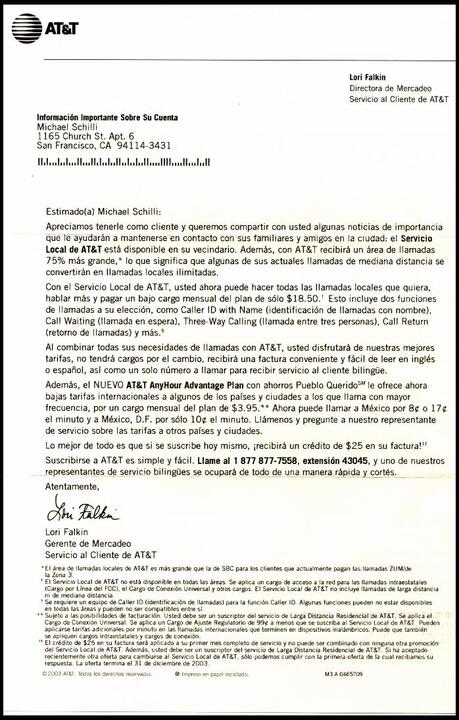
Because most people in the Mission speak Spanish and many do not speak English, the advertisements on billboards or the menus in restaurants are often in Spanish. And probably due to the proximity of our apartment to the Mission, I often receive promotional letters from the telephone company in Spanish (Figure 7).
What many Europeans don't know: In the USA, there is this a language-based two-class society. People who only speak Spanish and not English typically work in low-wage jobs, such as washing cars or as kitchen assistants. The head chef in a restaurant is required to speak Spanish fluently, since most of the kitchen staff do not speak English. And while waiters almost always speak English, in more affordable restaurants it can certainly happen that the assistant who clears the empty plates after a meal (the "bus boy") does not understand a question asked in English and has to call the waiter for help.
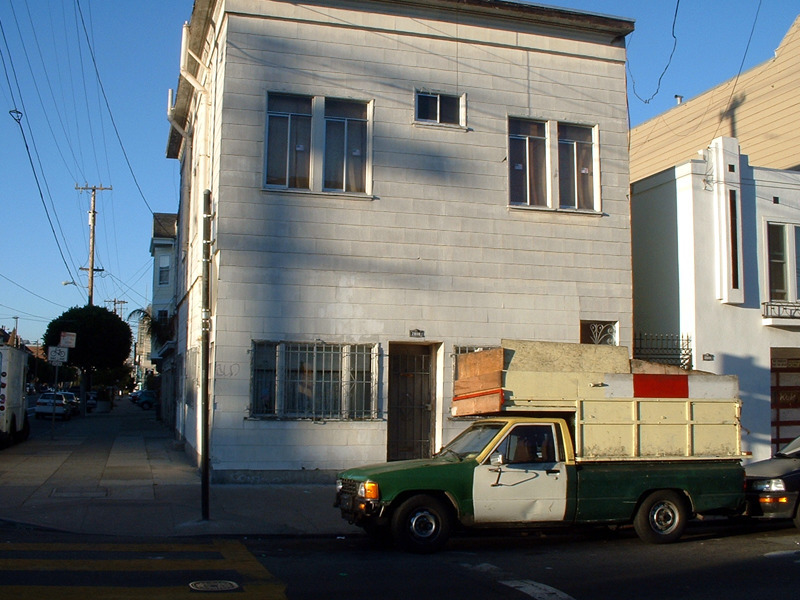
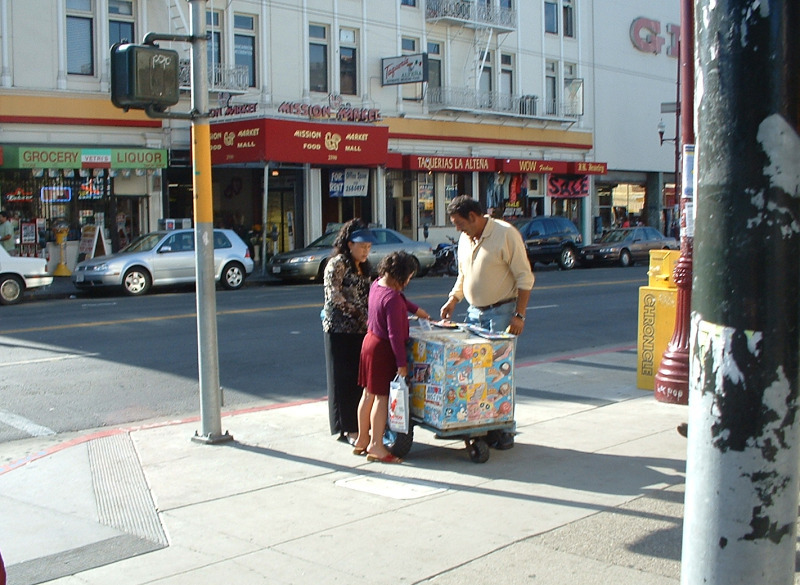
As is common in South America, on hot days ice cream vendors are pushing white handcarts, softly jingling, through the streets. Ancient pickup trucks with massive, amateurishly constructed structures transport towering loads in defiance of regulations -- in Germany, such an operation would be stopped by the next police patrol after at most five minutes of driving.
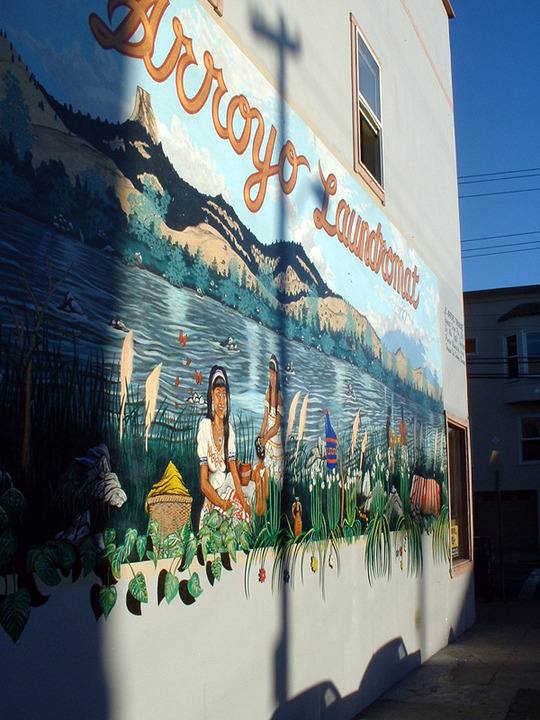
Many house walls display so-called "murals," typical South American wall paintings with various political or religious content, which, especially in sunny weather, give the neighborhood its distinctive southern flair with their colorful diversity.
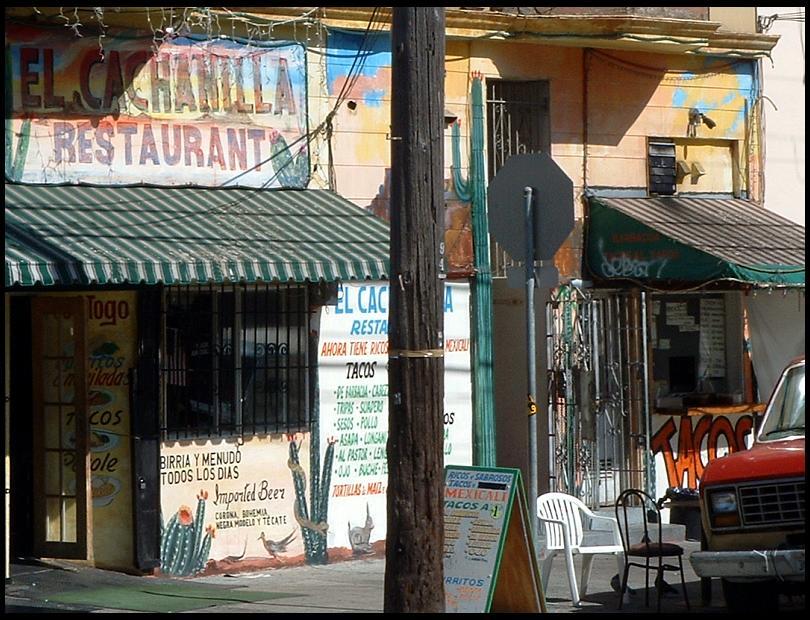
The taqueria "La Taqueria" near the intersection of Mission Street and 26th Street serves the best tacos in the city. To order, you first go to the counter, get a number, and then sometimes have to pay close attention if the number is called out only in Spanish by mistake. The taco chef, a middle-aged man with meticulously combed jet-black hair, works through the orders at lightning speed. It's fun to watch him as he swiftly slices meat with a knife or uses spoons to scoop guacamole, salsa, or sour cream from the neatly organized side dish pots onto the small, tasty creations. Afterwards, you sit at long beer garden-like benches, mingling with other people (something unusual in America, where everyone usually has their own table) and enjoy the delicacies amidst a bustling atmosphere with toddlers running around.