

Angelika We are often asked here what we miss from Germany, and when I answer "the washing machines," I either get looks that question my sanity or I am met with incomprehensible laughter. But unfortunately, it's the sad truth: American washing machines are junk.
Before I'll receive angry letters, I just want to point out that I am not fanatically attached to German products. For example, we have been driving Japanese cars for many years. Additionally, surveys among German friends who also live in the USA confirm my observations. American washing machines simply do not wash hot and long enough to get the laundry clean.
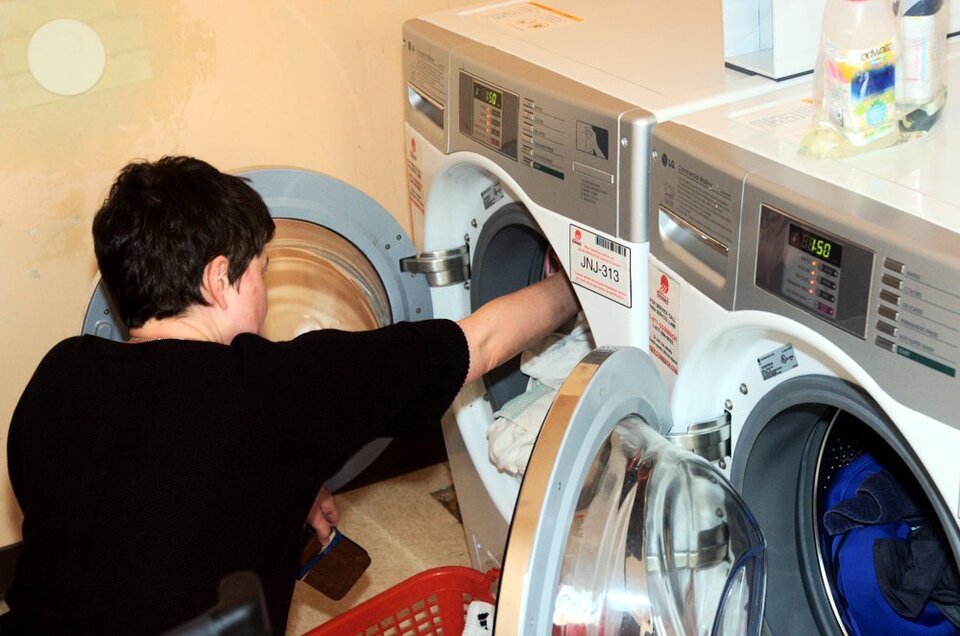
That may sound more environmentally friendly, but usually, every stain needs to be pre-treated, or chemical agents like bleach are used to achieve an acceptable washing result. Those who, like us, do not use bleach, live with grayed white socks and towels. A tomato sauce stain on a T-shirt usually seals its fate to end up in the old clothes collection.
Even when using detergent without bleach, mysterious pink stains often appear on colored laundry after washing. At first, we thought this happened at the laundromat when the previous user had excessively poured in bleach, but also people are wondering about bleach spots in internet forums. Latest scientific findings: Whitening toothpaste, liquid soap, and acne creams also contain bleaching agents, and if you don't wash your hands thoroughly before drying them on a towel, the agent can cause color fades there.
Although we have brand new communal washing machines in the building, they only take a good 35 minutes for a full wash cycle, including rinsing and spinning. When I take the laundry out of the machine, it often still feels sticky, as if half of the detergent is still in the clothes, even though I always use very little detergent.
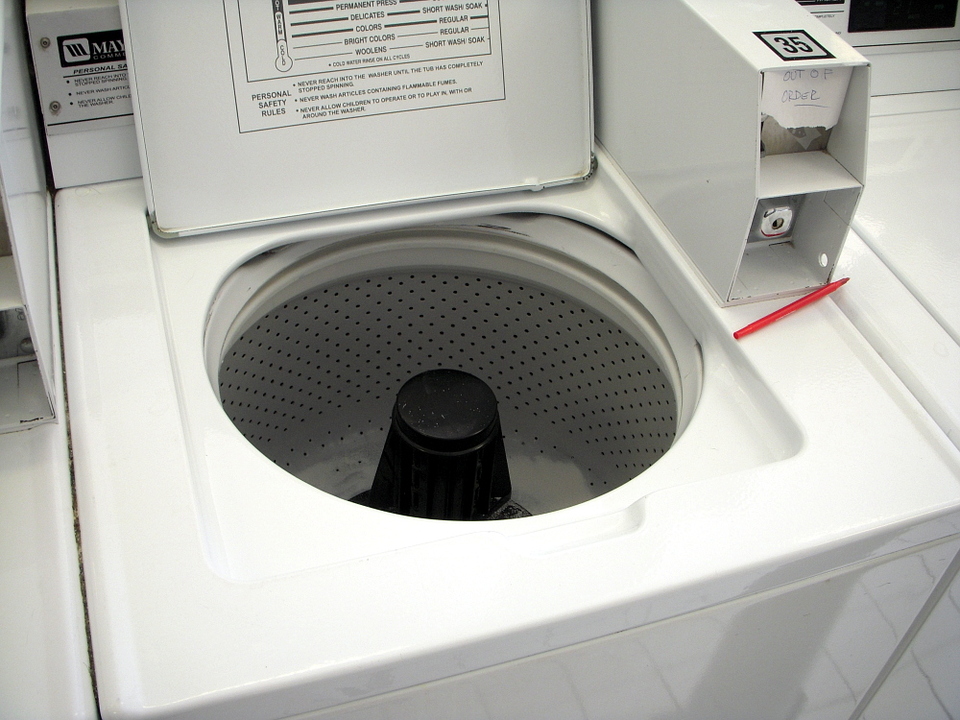
Recently, we even got front-loading washing machines in the building, which at least offer the advantage that detergent residues no longer end up on dark clothing, as was often the case with the top-loading machines we had before. Detergent is added directly into the drum with our machines. The washing expert, of course, starts a top-loader without detergent, then bravely opens the hatch of the running machine after two minutes when the water is high in the drum, and only then adds the detergent.
Now I can live with a few stains, but recently our good, cozy fluffy towels have also started to smell musty. When they came out of the dryer, they still smelled freshly washed, but after just one use, they emitted a nasty sour smell, like that of a wet poodle.
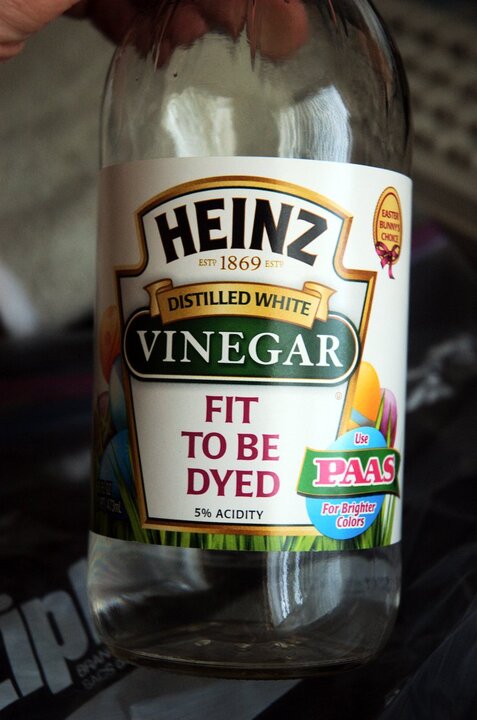
We didn't want to part with the towels, so I went online to look for solutions. And lo and behold, musty towels seem to be a common problem here in the USA. According to my research, the smell is caused by bacteria that aren't killed during washing. I have already mentioned that American machines aren't washing hot enough! Internet experts advised adding two cups of distilled white vinegar to the wash cycle. It can be bought in supermarkets, in the detergent compartment. And, lo and behold, problem solved, the towels smell nice and fresh even after repeated use. By the way, the packaging of the distilled vinegar states that Americans also use it for coloring Easter eggs. A top product and dirt cheap to boot.