
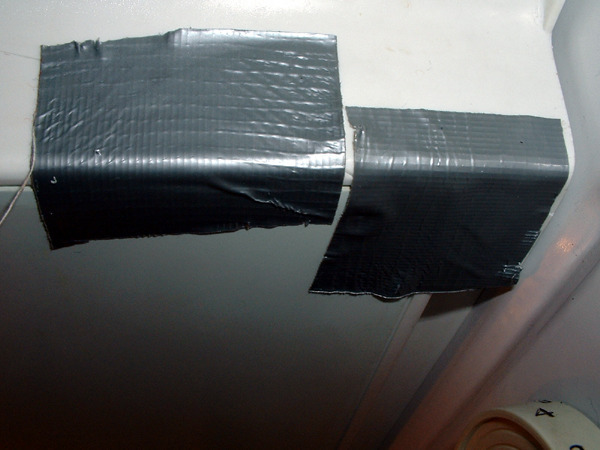
Angelika Americans are masters at makeshift repairs of broken things. They particularly like to use "duct tape," a thick, incredibly strong, gray adhesive tape. Whether it's the steps at our fitness center, a cracked windowpane in the streetcar, or the drip tray under the freezer compartment of our refrigerator, duct tape holds everything together.
In recent weeks, "Duct Tape" has risen to some fame because the Department of Homeland Security (the newly established agency responsible for domestic security in the United States) recommended that the public stock up on "Duct Tape" and large plastic sheets. This is to seal themselves inside their homes in the event of a possible terrorist attack with chemical weapons, meaning to seal the windows and doors.
A public debate immediately ignited: Some experts considered this method to be completely nonsensical and pointed out that the potential suffocation in completely sealed rooms without air circulation posed a greater danger. TV stations interviewed duct tape buyers in hardware stores, and David Letterman & Co (comparable to Harald Schmidt) made "duct tape jokes" on their late shows for days.
Funnily enough, lots of "duct tape" and huge plastic garbage bags have been in our earthquake emergency kits under our bed for a long time. During my earthquake training, I learned that you can create all sorts of useful things from them (tents, clothing against rain and cold, etc.). However, I doubt that they would be of much help against attacks with chemical weapons.
On the newly established webpage of the "Department of Homeland Security" with the beautiful name ready.gov You can find more tips on how to best behave during terrorist attacks involving biological, nuclear, or the aforementioned chemical weapons. The whole thing isn't exactly very reassuring. I'm waiting for people to start building nuclear bunkers again soon. We've been through that before. Head down, newspaper on top! Ah yes, those were the days.
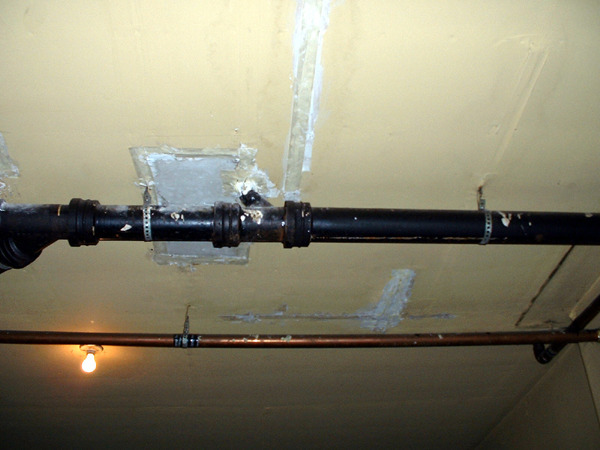
Now where does the name "Duct Tape" origin from? Initially, I thought it might be similar to how "Tesafilm" is called "Scotch Tape" in America because the manufacturer is named "Scotch," whereas in Germany, it's called "Tesa." However, the Truth about Duct Tape is that American soldiers in the Second World War needed a waterproof adhesive tape to seal ammunition boxes and similar items.
The company "Johnson & Johnson" subsequently produced an olive-green adhesive tape that withstood all natural elements. The soldiers called it "Duck Tape," after the duck, which is known to defy water. After the war, there was a housing boom, and the tape was further produced in a silver color for home builders, without losing its indestructibility. Today, the company Henkel (which also makes the Persil brand laundry detergent in Germany) continues to produce duct tape and holds half of America together with it.