
Self-Driving Cars: The Competition Is Not Standing Still
|
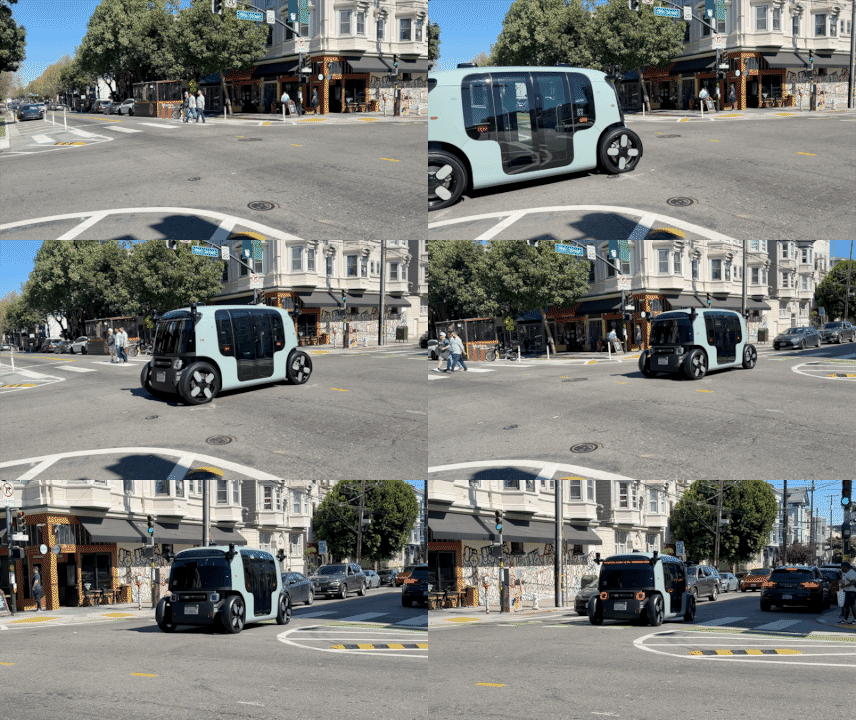
| The self-driving robotaxi from Zoox |
Michael Our driverless robotaxis in San Francisco (Rundbrief 07/2024) have by now become the ultimate tourist attraction. Google offshoot Waymo paved the way; Cruise fell by the wayside after unfortunately causing too many accidents with its competing GM cars. Waymo's fleet currently dominates our streets. Thousands of these autonomous taxis ferry passengers around 24 hours a day. Now the way is clear for more competition.
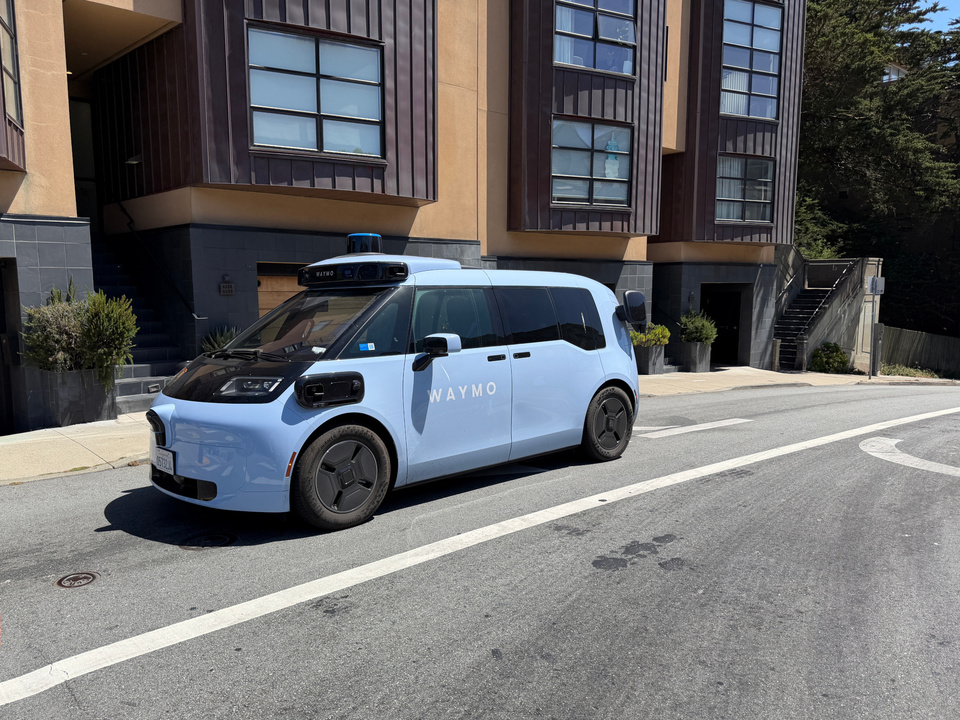
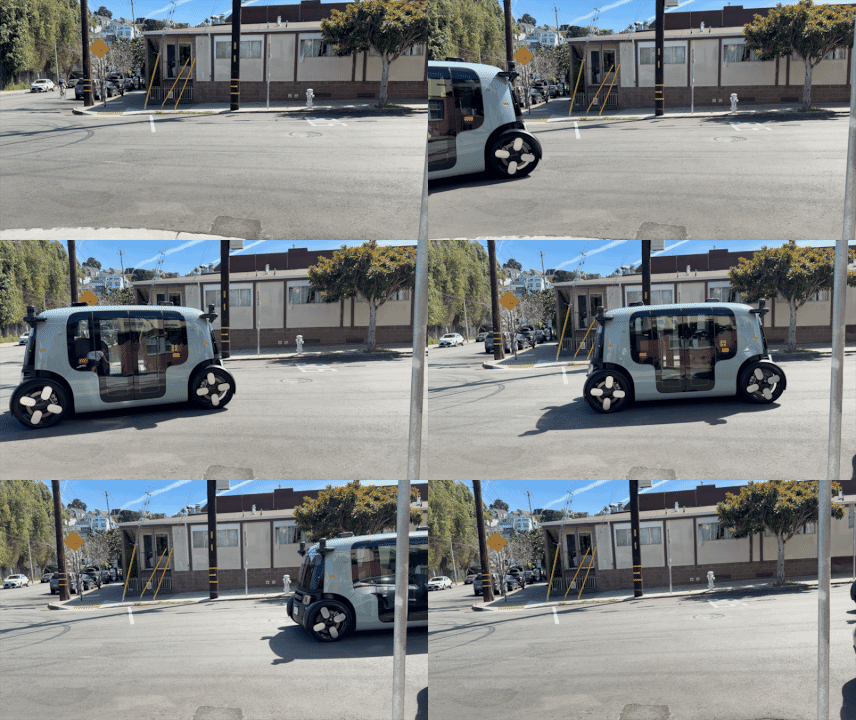
Lately, more and more Zoox robotaxis (from online retail giant Amazon) have been cruising through the city. The first-generation Waymo vehicles are perfectly ordinary Jaguar F cars with steering wheels, but the little Zoox buses look more like Mars rovers and have room for four passengers sitting opposite one another on two-person benches. Waymo has now followed suit, too: Its refrigerator-like shared taxis are now driving around the city without steering wheels or pedals.
|
| Another look inside the driverless Zoox taxi |
In Austin, Texas, Elon Musk has already been operating a fleet of driverless Cybercabs since early September 2026. Their bodies are a cross between a Tesla Model Y and a rounded Porsche, all in shiny gold, absolutely surreal (Figure 2). At the back, a huge hatch opens onto an unnaturally narrow trunk. Up front, there is room for two passengers, who enter through Lamborghini Diablo-style wing doors. The Cybercab has neither a steering wheel nor pedals; it operates exclusively without a driver.
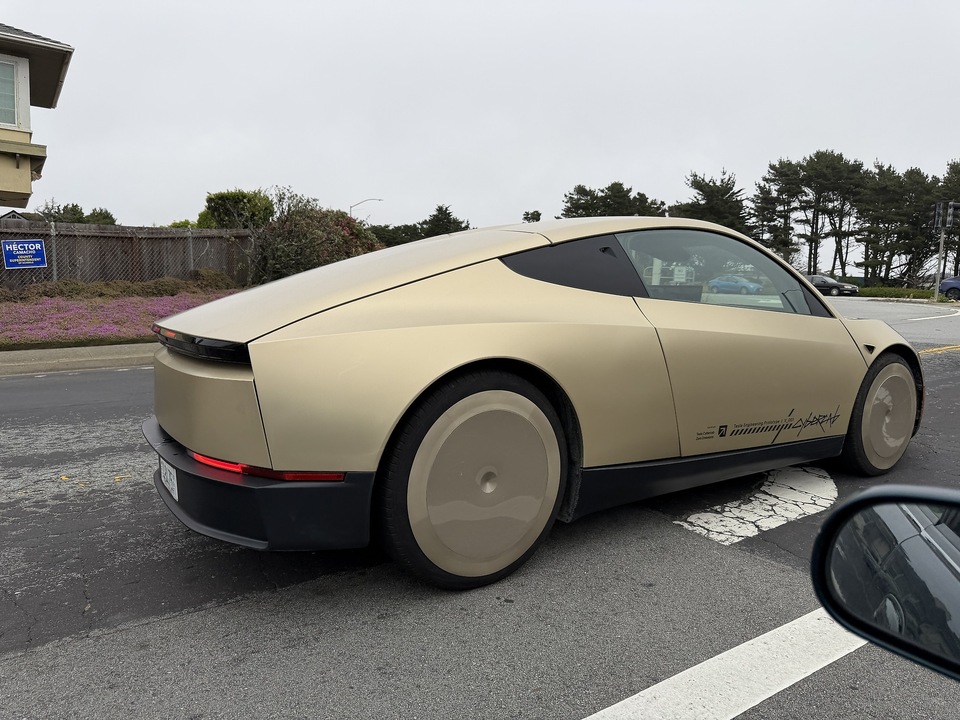
The two passengers sit side by side up front, business-class style with plenty of legroom, in front of a huge iPad that displays the trip's status much as in a Tesla, and which you have to tap to get the car to drive off autonomously. Tesla's Autopilot relies exclusively on cameras and does not yet seem as mature to me as Waymo's absolutely flawless robotic driver. That is probably why the Cybercabs are not yet operating here in San Francisco with its crazy maze of streets, but only in Texas, with its generously laid-out, spacious road network and no hills at all.
As of November 2026, consumers can buy one of these robotaxis for just 30,000 dollars. However, it only runs with a subscription costing an additional 299 dollars per month. And unfortunately, Tesla currently still prohibits using the car as a commercial taxi. The original idea was that you could hand your Cybercab over to a fleet so it could earn money while you were away for the weekend, for example. When the owner returned on Sunday evening, the car would be back in the garage as though nothing had happened. Just imagine the implications of this concept: A private car turns into a public resource and serves the common good. As I said, it is not possible yet, but perhaps soon.