
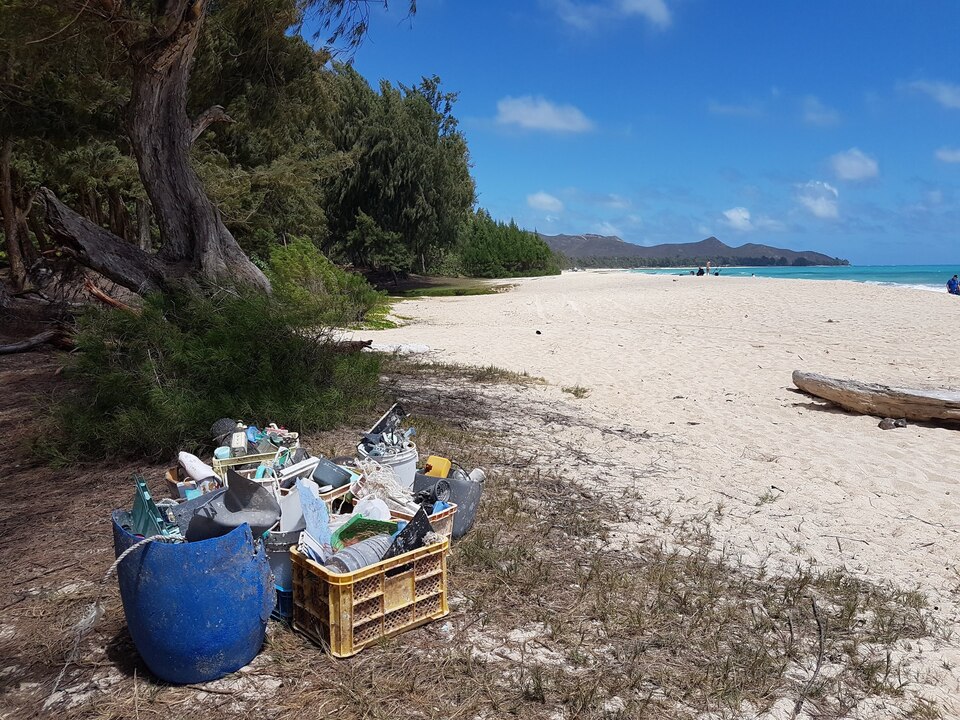
Angelika Even in the land of packaging mania, it has now become widely known that things cannot continue as they are with waste. Above all, plastic waste needs to be reduced. Many Americans have been alarmed by the vast amounts of plastic waste floating in the ocean. On Oahu, where we were just on vacation, our favorite beach in Waimanalo had more plastic waste than usual this time, disrupting the paradisiacal image of the super fine, almost white powdery sand. Of course, depending on the weather and currents, more can be washed ashore, but if nothing is floating in the ocean in the first place, nothing can be washed ashore.
There's efforts underway, particularly against plastic straws since images of turtles with straws stuck in their noses have been circulating on the internet. In California, restaurant visitors have only been receiving a plastic straw upon request since January. Starting in July 2019, plastic straws will be completely banned in San Francisco, and only paper straws will be allowed. A start has been made, although the whole thing seems more like a drop in the bucket. I hope that we will see an anti-plastic campaign in the USA, comparable to the anti-smoking campaign. The wheels often turn very slowly here, but once the bell has rung, it is tackled with enthusiasm and almost pedantry: smoking is now as frowned upon here as in no other country. Perhaps a similar triumph can be achieved in the effort to get rid of plastic waste?
In the meantime, one keeps asking oneself: What can I do to produce as little waste as possible? Of course, we diligently separate our waste and recycle, but it seems that much of it still ends up in incineration plants or landfills since China no longer wants our supposedly recyclable waste. The first cities in the USA are actually discontinuing their recycling programs because they can no longer sell the waste to Asia and don't know what to do with it. For example, Philadelphia burns the majority of its waste. The absurdity of shipping waste to China for recycling drives every environmentalist to despair. I also often feel like plastic packaging is practically stalking me. For instance, I get frustrated every time I see cucumbers wrapped in plastic. The deeper meaning of this measure has so far eluded me. Apparently, cucumbers stay fresh longer in plastic wrapping. However, the plastic is usually difficult to remove, and I prefer cucumbers without it. But I do wonder if the cucumbers that are sold without plastic were previously wrapped and the store removed the plastic to give the customer a clear conscience.
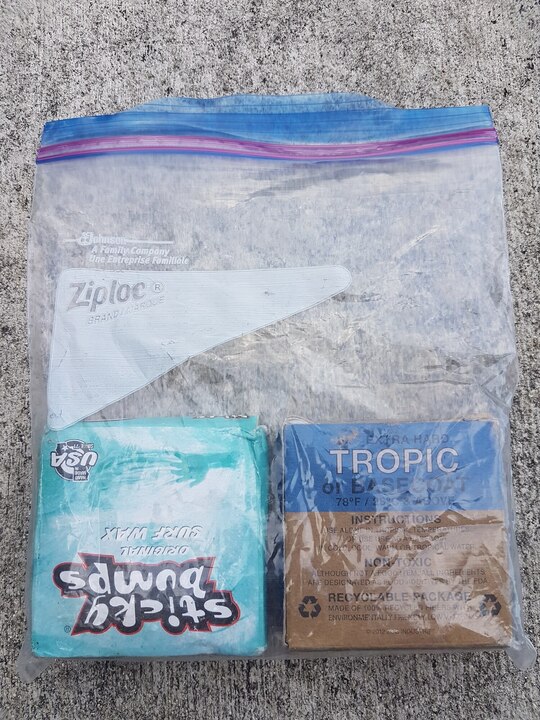
I must confess that I find "Ziploc Bags" super practical. The resealable plastic bags, which come in various sizes, are suitable for storing food in the refrigerator or for safe transportation. Even cosmetics are securely packed in these bags, and if an accident happens and the shampoo leaks, everything stays in the bag and doesn't end up in the suitcase. At the megastore Costco, there are "Ziploc Bags" in bulk packs, for example, 216 bags in the size 17.7 x 18.8 cm, which are suitable for freezing, for 16 dollars. Cheap, but not exactly environmentally friendly, even if you don't throw the plastic bags away after a single use.
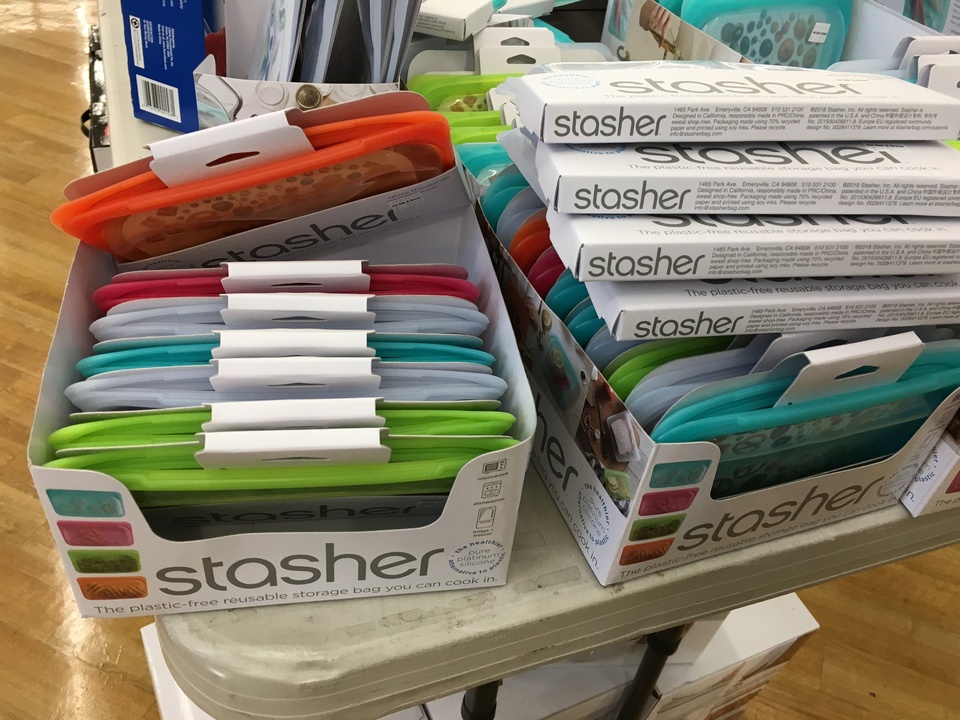
But recently, I've found an alternative for fellow Ziploc fans from the company Stasher" which is headquartered in Emeryville, about 10 miles northeast of San Francisco. The bags are made of food-grade silicone, not plastic, and are supposedly designed to last forever. The material is significantly thicker than that of plastic bags, and the Stasher bags are resealable, dishwasher-safe, and can be used for freezing, microwaving, and even cooking (sous-vide method in the bag).
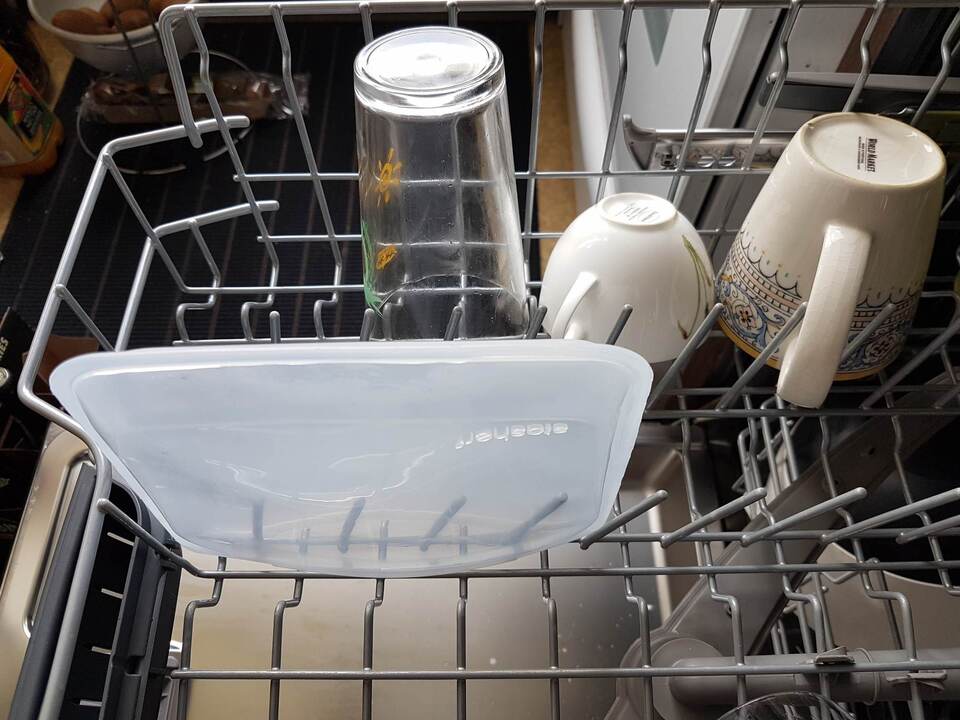
I have now started a test phase and am satisfied so far. The bags have been washed several times in the dishwasher, have not suffered any damage, and have come out perfectly clean. The zipper mechanism takes some getting used to, and you have to press firmly to ensure it is properly sealed, but the idea is good, and I am happy to support it. The relatively young company is now coming out with new sizes and is currently experiencing a bit of a boom after their product was featured on the show "Shark Tank," with Mark Cuban investing $400,000 in them. The price of the bag is, of course, not insignificant. A single bag, which can hold a well-filled sandwich ("Sandwich Bag"), costs $12. By the way, I have seen that the Stasher bags are also available on Amazon Germany if you want to start a test phase as well.