
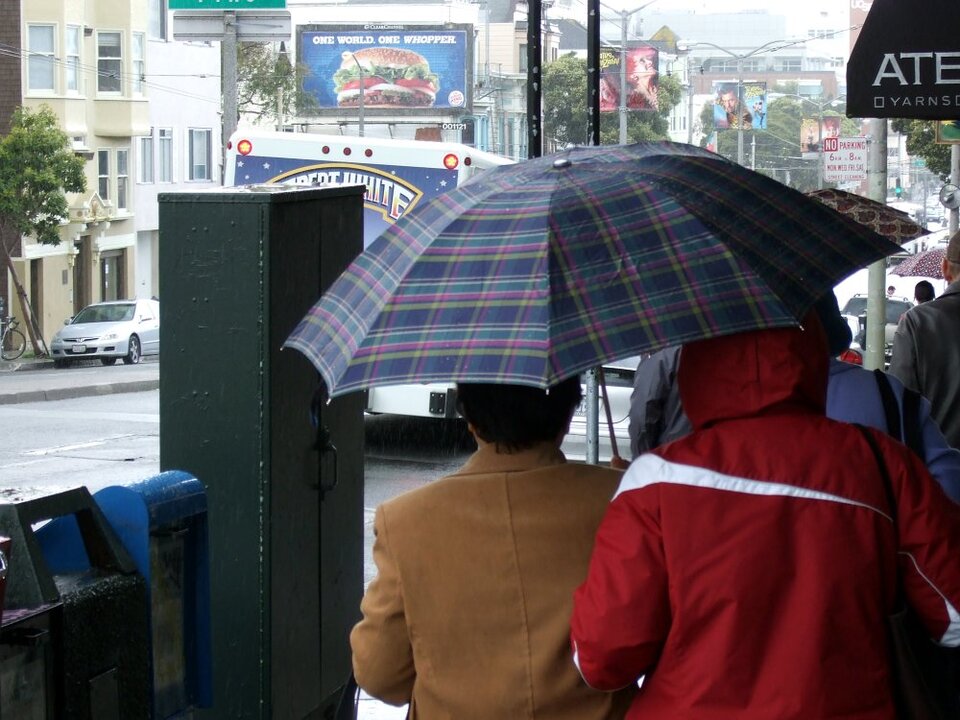
Angelika In California, it is well known that there are usually only two seasons: the hills are either brown or green. In the last three years, the hills have stayed brown a bit too long because it didn't rain enough in the winter, and from April to September, we usually don't get a single drop of rain. This not only affects the color of the hills but also the water levels in the reservoirs that supply us with drinking water.
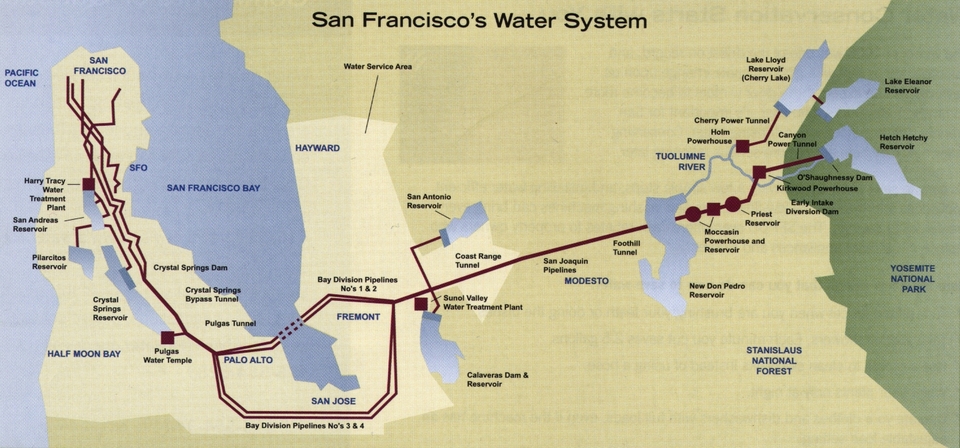
City officials built a pipeline many years ago from Yosemite National Park, located 225 km to the east, to San Francisco. This ensures that city residents and the surrounding agriculture benefit from a consistently available water supply, even if there's no rain for months. A whopping 86% of the drinking water in San Francisco comes from this pipeline!
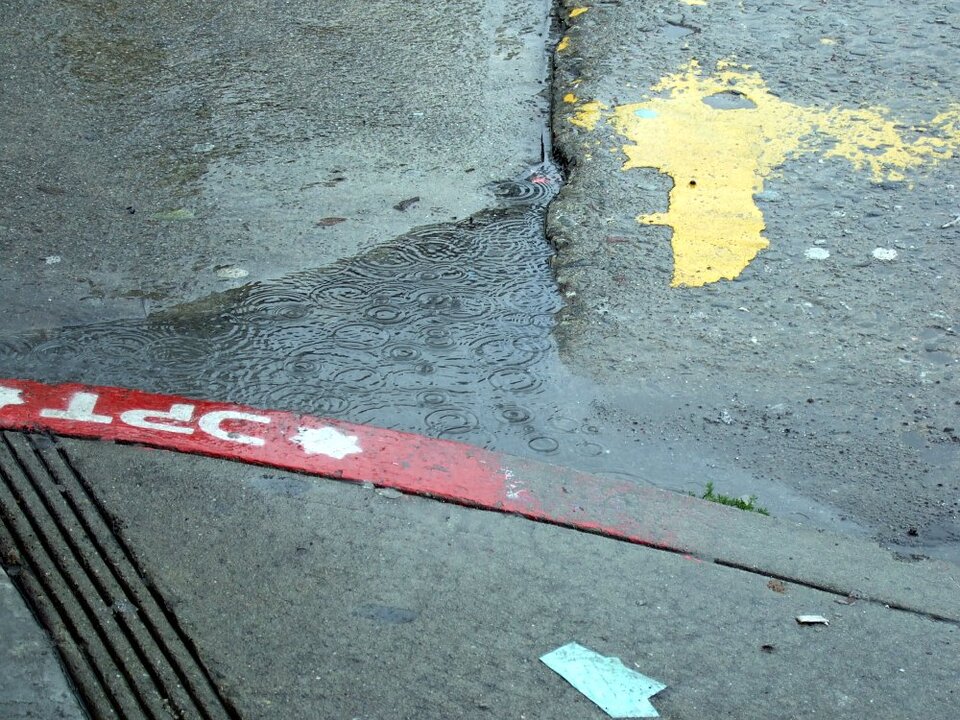
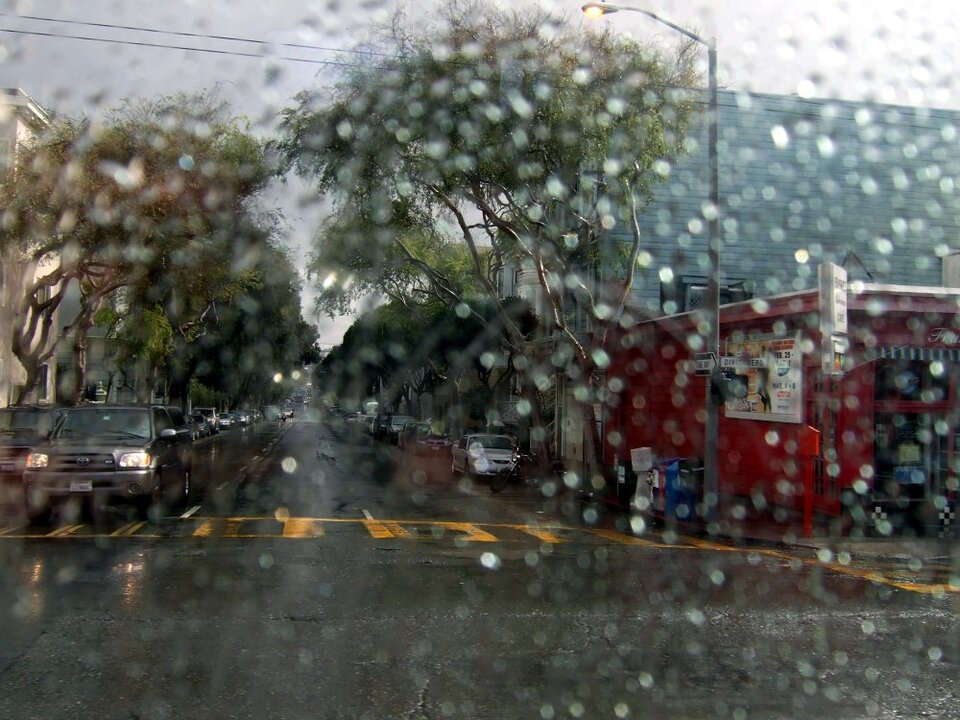
Although in February this year it occasionally rained heavily, the amount of precipitation is just a drop in the bucket, because the reservoir levels will only return to normal if March brings us torrential rains and astronomical snowfall in the Sierra Nevada.
Governor Schwarzenegger declared a state of emergency at the end of February due to the ongoing drought in California. Cities and municipalities must save 20% of their water, otherwise Arnie threatens to forcibly ration the water. Unfortunately, we don't yet know exactly how that will work. Will we, for example, only be allowed to shower every other day, and who will monitor that? Michael's biggest concern is that the landlord will soon install water-saving showerheads, since the landlord pays the water bill for the tenants in the building. That would be the end for our elephant showerhead, which Michael just installed, even though it probably doesn't use more water; it just distributes the water stream better.
But for now, it's all voluntary measures, such as only running the dishwasher when it is full, not washing the car by hand, and repairing dripping faucets. Private households are, of course, only part of the problem. The irrigation of agricultural fields in California's Central Valley consumes enormous amounts of water.
Water is actively pumped from the Sacramento River Delta in the north to the south for hundreds of miles, as fruits and vegetables on the fields need water to thrive. California produces half of the fruits, vegetables, and nuts in the USA. Farmers often receive the water to irrigate their fields from reservoirs that are under state or federal control.
The authorities have now announced that there will be no water from these sources this year unless the situation dramatically improves. This means fallow fields and less work. The unemployment rate in some cities in the Central Valley has skyrocketed due to the ongoing recession and the consequences of the drought period. In the small town of Mendota, the unemployment rate was 35 percent in February. By the way, we recently drove through this area with its orchards and fields as far as the eye can see on our way to Los Angeles. We clearly saw that some towns have seen better days.