
Angelika In Germany, by now, every store has its own bonus program. When a customer buys something, bonus points are credited to chip cards, which shoppers can redeem later. When I recently bought something at a pharmacy during a visit to Germany, I was handed different colored plastic tokens along with a brochure explaining how many tokens I needed to get a pack of tissues for free. Almost like in Americ!
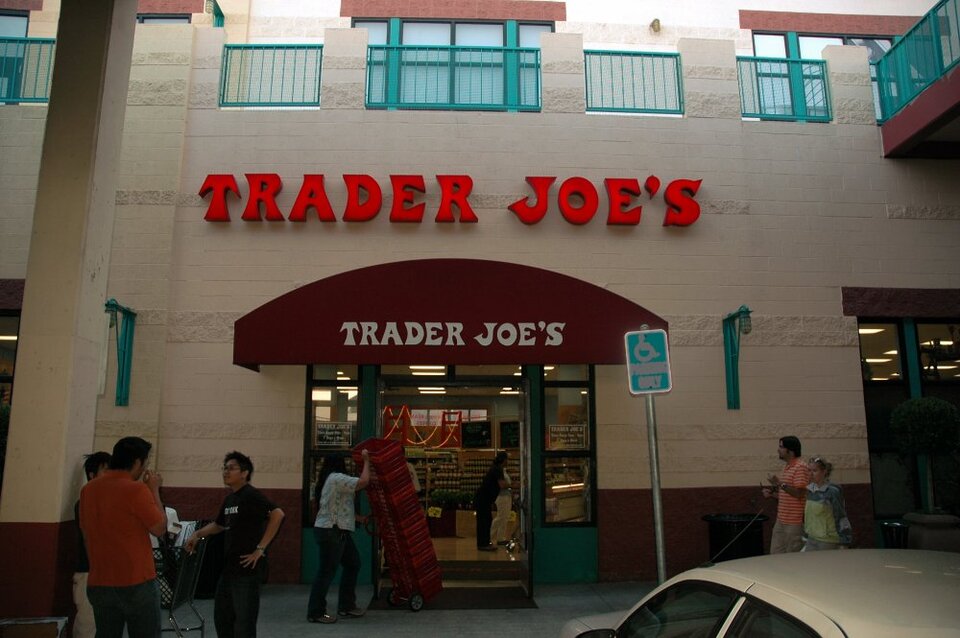
Here in the USA, you practically need a separate wallet to keep track of everything. Not only does every supermarket hand out club cards for future special offers, but the coffee shop around the corner also entices customers with punch cards. After ten punches, meaning ten paid coffee drinks, you get the next one for free. The intention, of course, is to keep the customer loyal to their store. Additionally, supermarket cards allow them to study customer purchasing behavior or target them with advertisements later. Privacy is taken less seriously in America than in Europe. These cards have become a nuisance to me because I constantly forget them, as I don't want to carry around a super-heavy wallet all the time. That's why I love stores like "Trader Joe's" even more. This unusual supermarket chain neither hands out club cards nor offers a single special deal in the store.
This is a nearly revolutionary and at the same time un-American concept. The company's motto is: "Trader Joe's" always offers everything at the lowest prices. German tourists are always amazed in American supermarket chains like "Safeway" at how wide the aisles are and the overabundance of goods (e.g., in the aisle with the various types of cornflakes) available there.
"Trader Joe's" can be found with smaller stores often located in more remote areas, with narrow aisles and a limited selection. Products often do not carry brand names but instead bear the "Trader Joe's" label. Customers will also search in vain for the typical American bulk packages. A bottle of beer costs exactly one-sixth of a six-pack.
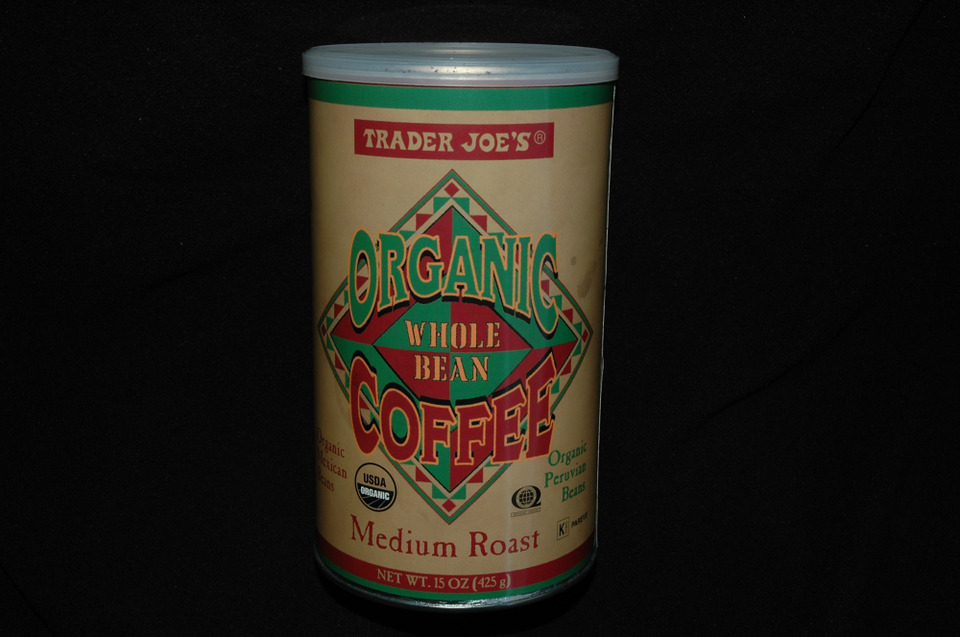
The selection makes European hearts beat faster: European cheeses at reasonable prices, exclusive wines, good olive oil, great chocolate, e.g., from Droste, fruit juices without added sugar, chips without colorings and artificial flavor enhancers, eggs from happy hens, unsulfured dried fruits, as well as various organic products that delight the eco-heart.
At the register, the merchandize is only packed in paper bags. You will wait in vain for the question "Paper or plastic?" at the "Trader." And no one wrinkles their nose at our huge blue plastic tub that we always bring and use to pack our goods for transport. Most customers pack their purchased items themselves. This seems to be an unwritten rule in American alternative stores. But don't try this in a regular supermarket, as it might earn you dirty looks from the cashiers, who might think they aren't fast enough for you.
Full-time employees at "Trader Joe's" receive health insurance, and the company contributes to a company pension plan, even though the employees are not unionized. Interestingly, in America, many employees in supermarket chains like Safeway are union members and work under negotiated union contracts. This usually leads to better hourly wages and social security (namely health insurance). So, when you hear about striking Safeway employees, it's about renegotiating contracts, often sparking fierce battles over benefits like health insurance. Incidentally, the hourly wages at "Trader Joe's" are said to be higher than those at supermarkets that pay under union contracts.
"Trader Joe's" was founded by a certain Joe Coulombe in Southern California. He was the proud owner of a small grocery store chain, "Pronto Markets," and in the late 1960s, he had to find a way to compete against the growing competition from 7-Eleven stores. So, he decided to enhance his stores with gourmet items and good wines at affordable prices -- that was the birth of "Trader Joe's." In the late seventies, he sold everything, and you can guess to whom: Theo Albrecht, one of the German Aldi brothers. While there are already Aldi stores on the East Coast of the United States, they are unknown in California. From the outside, you can't see Trader Joe's affiliation with Aldi at all, as that probably wouldn't go over well with the rather alternative clientele.
Any politically over-correct eco-friendly person in San Francisco, however, goes to the "Rainbow Grocery," because after all, "Trader Joe's" is a chain with now over 200 stores in the USA. Michael always claims that you can only shop at the Rainbow if you have at least one piercing or tattoo and are a vegetarian or vegan, or an old hippie.
Rainbow is owned by its employees, who not only run the store but also collectively decide which products are sold. You won't find any meat at "Rainbow." In the early seventies, during San Francisco's hippie era, an ashram in the city, which is a spiritual community--you know, with a guru and all--started the Rainbow movement. The idea was to offer vegetarian, "pure" foods. The first store was run by volunteer staff--meaning unpaid. After a few relocations, the store is now on Folsom Street and is quite large. Initially, I always thought you had to be a member to shop at "Rainbow." Far from it: Rainbow is essentially an eco-supermarket for everyone, with the unique feature that the employees are also the owners.